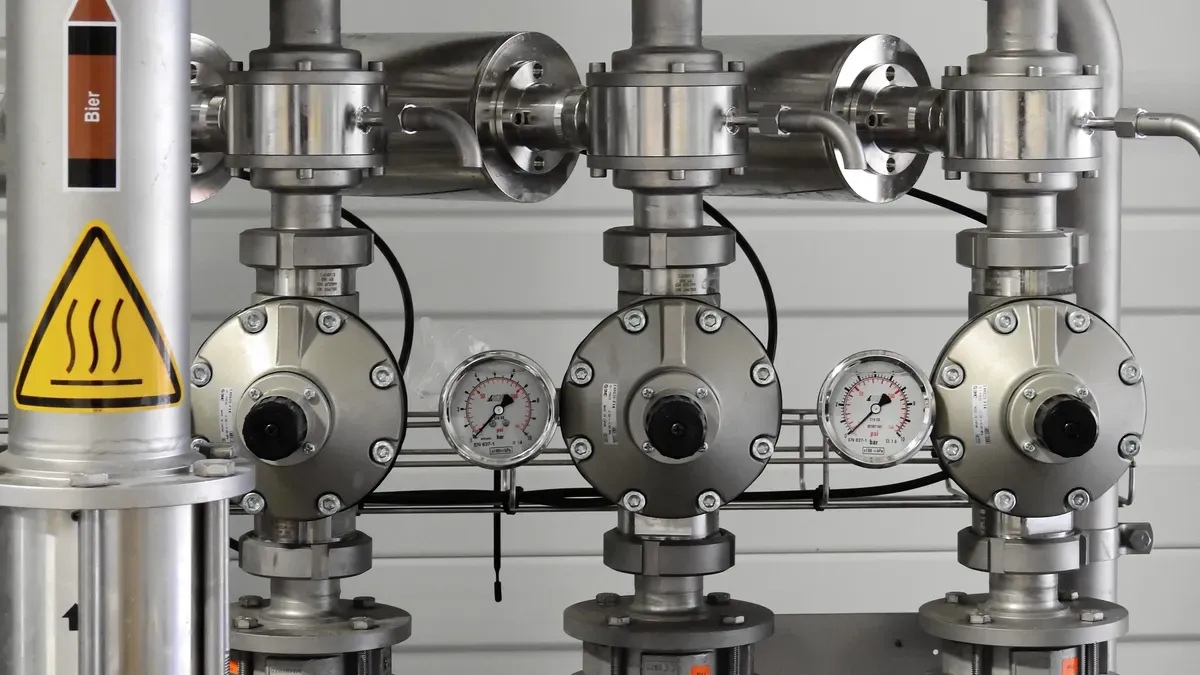
A smart control valve is a smart device that brings together sensors, actuators, and digital logic to automatically control process variables like flow, pressure, and temperature. Unlike older models that need manual adjustment or simple air signals, a smart valve uses live data and automatic control to change right away. This smart valve delivers improved precision, energy efficiency, and predictive maintenance without any help from the user. According to a 2024 report from the U.S. Department of Energy, this technology can cut energy use by up to 15%, leading to big cost savings.
Key Takeaways
- Smart control valves on their own change flow, pressure, and temperature, saving up to 15% energy.
- They use sensors, actuators, and digital communication to run processes without people doing it by hand.
- Self-checks and live feedback help predict when upkeep is needed and cut down on downtime.
- Smart valves work with common communication methods like HART and Modbus, making them easy to connect to plant networks.
- Even though smart valves cost more at first, they can save money fast by using less energy and preventing breakdowns.
What Is a Smart Control Valve?
Definition and Evolution of Smart Control Valves
A smart control valve is like a valve that mixes sensors, a smart actuator, and digital communication to adjust flow on its own. This device does more than just open and close. It keeps adjusting itself to hold your process at the right setpoint.
The smart valve came from manual and pneumatic control valves. Older designs needed an operator to turn a handwheel or used a simple air signal to move the plug. Engineers added on-board processing and connectivity to these mechanical designs. This step turned the valve into a smart process valve that can think and communicate.
The industry hit a big milestone when a manufacturer released the world’s first microprocessor-equipped positioner, the model SVP3000 Smart Valve Positioner (1990). This event marked the shift from purely mechanical control to digital intelligence inside the valve body.
Today, a smart control valve fits into larger smart valve systems across many plants. You will find these devices in oil and gas, petrochemical, power generation, and water treatment facilities. They handle tasks that range from simple flow regulation to complex automated control loops.
Core Features of a Smart Valve
The key features of smart process valves center on three abilities: self-diagnostics, real-time feedback, and compatibility with industrial IoT. Each feature helps you run your plant with less guesswork.
Self-diagnostics let the smart valve check its own health. The device monitors stem position, actuator pressure, and internal temperature. It can flag wear or drift before a failure stops your production. This function saves you from unexpected downtime.
Real-time feedback means the smart valve system reports its actual position and the current process condition back to your control room. You see what the valve does at every moment. This data lets you verify that the control valve responds correctly to every signal.
Compatibility with industrial IoT connects smart valves to your plant network. These devices accept common protocols such as 4–20 mA, HART, and Modbus. You can link them to a distributed control system or a cloud platform. This connectivity turns a single valve into a node in a larger smart valve technology ecosystem.
A smart valve system also supports different actuator types, including pneumatic and electric options. The valve body is available in standard industrial materials, with trim options designed for wear resistance.
When you select control valves for a modern plant, look for these core features. A device with self-diagnostics, real-time feedback, and open communication protocols will serve you far better than a simple mechanical unit. The smart valve gives you data, control, and reliability in one package.
How TANGGONG Smart Control Valves Work
Sensing, Processing, and Acting Cycle
Every smart control valve follows a basic three-step cycle. First, sensors check conditions inside the pipe. Second, a built-in controller compares that data to your setpoint. Third, an actuator moves the valve plug to close the gap. This loop repeats many times each second, so the valve keeps your process steady.
The sensors do the main work at the start. A flow meter finds leaks or unusual consumption. A pressure transducer watches for pipe bursts or pump failures. A temperature sensor protects against line freezing and thermal expansion damage. Smart valves use these devices to track pressure, temperature, and flow rate in one package.
| Sensor Type | Measured Parameter | Function |
|---|---|---|
| Flow Meters | Flow | Detect leaks or abnormal consumption |
| Pressure Transducers | Pressure | Monitor pipe bursts or pump failures |
| Temperature Sensors | Temperature | Prevent line freezing and thermal expansion damage |
The controller then processes this sensor data. It checks the reading against your target value. If the numbers differ, the controller sends a correction signal. This step gives you real-time valve monitoring without human input.
The actuator finishes the cycle. Smart valves support pneumatic diaphragm, pneumatic piston, and electric motor types. Each actuator turns the control signal into stem movement. The plug shifts, and the flow changes. The trim shapes this movement with precision, ensuring smooth throttling even under high pressure drop.
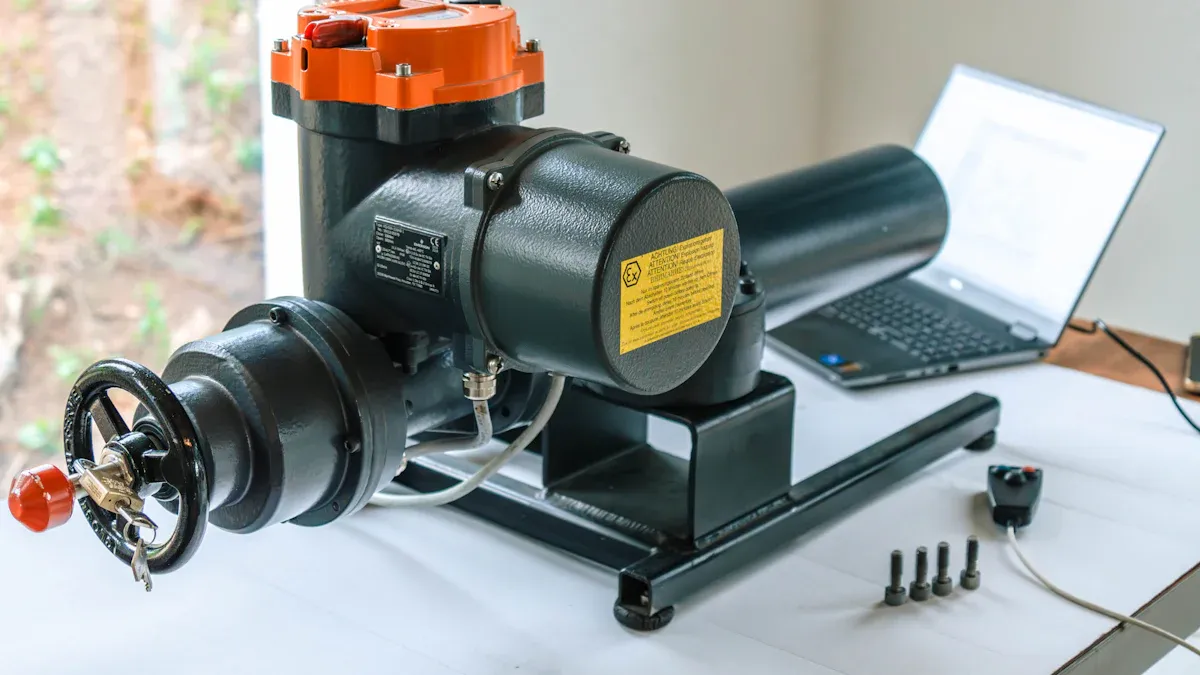
Communication and Control Algorithms
A smart valve system needs clear communication to work inside your plant. Smart valves accept Modbus and Profibus signals. These protocols carry commands and feedback between the valve and your distributed control system.
Speed matters when you pick a protocol. The table below shows the differences.
| Protocol Variant | Max Speed |
|---|---|
| Modbus RTU (RS-485) | 115.2 kbps |
| Modbus TCP | 10 Mbps – 1 Gbps |
| Profibus DP | 12 Mbps |
| Profibus PA | 31.25 kbps |
Profibus DP runs much faster than Modbus RTU. Modbus TCP reaches higher theoretical speeds, but protocol overhead limits real throughput. Profibus PA is slower and suits intrinsically safe process areas.
Control algorithms turn this communication into action. A PID loop is the most common method. The controller calculates error, then adjusts the actuator output. This automated control keeps your process at the setpoint. For various applications, the algorithm enables automatic adjustment of flow, providing stable control without constant operator attention.
Smart valves also support real-time monitoring through edge software. The valve position, actuator pressure, and temperature readings travel to your control room. You can spot drift early and schedule maintenance before a failure stops production.
The combination of fast communication and smart algorithms makes these smart valve systems reliable. Each valve in your plant becomes a data source and a control point. That design supports flow or pressure control across oil and gas, petrochemical, and water treatment operations. When you connect many smart valve systems together, you build a network that adjusts itself. The valve does not just react. It predicts, reports, and corrects. That capability separates a smart valve from a simple mechanical unit.
Key Components in Smart Valve Systems
Sensors, Actuators, and Controllers
Every smart valve system needs three hardware parts to work. Sensors check pressure, temperature, and valve position. Actuators take commands and move the valve plug. A local microcontroller reads sensor data and runs the control program. These three parts give you exact control of flow or any other process variable.
Smart control valves use strong materials for tough environments. The body comes in standard industrial grades. The trim often includes hardened materials to resist wear. Many smart valves meet SIL requirements for safety-critical jobs.
| SIL Level | PFDavg | RRF | Typical Applications |
|---|---|---|---|
| SIL 1 | 1 in 100 to 1 in 10 | 10 to 100 | Water treatment |
| SIL 2 | 1 in 1,000 to 1 in 100 | 100 to 1,000 | Chemical plants |
| SIL 3 | 1 in 10,000 to 1 in 1,000 | 1,000 to 10,000 | Oil and gas, nuclear |
SIL 3 is the highest level you usually reach in process industries. A SIL rating covers the whole safety loop, not just the valve. The valve must have proven failure rate data checked by a third party like TÜV. Suppliers offer SIL-capable designs with full traceability and PST compatibility. PST lets you test the valve without stopping production.
Digital Communication and Edge Software
Controllers in smart valve systems use digital communication to share data with your plant network. Protocols such as Modbus and Profibus carry setpoints and feedback. This connection lets you watch each valve from a central control room.
Edge software runs on the local controller inside the smart valve system. It makes choices based on sensor data without waiting for a remote server. This local logic speeds up response and keeps the process steady even if the network drops.
Cloud connectivity adds remote monitoring. Smart valve systems send diagnostics and maintenance logs to a platform. You review trends and plan fixes before failure. These parts of smart valve systems turn the valve into a smart node. Edge processing and cloud reporting give you speed and visibility.
Benefits and Challenges of Smart Control Valves
Operational Benefits: Efficiency and Predictive Maintenance
A smart control valve keeps your process at the best point at all times. This steady tuning lowers the strain on your pumps and compressors. You save energy and water without doing anything. The table below shows what happens when you cut flow to 50% and system resistance to 25%.
| Condition | Flow Rate | System Resistance | Energy Consumption | Energy Savings |
|---|---|---|---|---|
| At reduced flow | 50% | 25% | 12.5% | 87.5% reduction |
| Realistic achievable savings | — | — | — | Up to 80% |
Real results can reach up to 80% savings when you count pump efficiencies. That number comes from Crane Fluid Systems. You get these savings because smart valve systems match supply to demand. The valve slows the pump and cuts wasted energy.
Predictive maintenance gives you a second big win. Smart valves check their own health using self-diagnostics and wear monitoring. The device tracks stem position and actuator pressure. It spots drift before a failure stops your line. You fix small problems during planned outages. Unplanned downtime drops, and your maintenance team works with real data.
Implementation Challenges: Cost and Cybersecurity
You will pay more upfront for a smart valve than for a simple mechanical unit. The price covers sensors, a microcontroller, and digital communication hardware. Skilled staff must connect these devices to your control network. That work takes time and training.
Cybersecurity is a real risk. Every connected valve is a possible way in for an attacker. You must protect your network, manage passwords, and update firmware. A breach could disrupt your gas flow or damage equipment.
The payback period changes by application. Energy-saving projects pay back the cost in as little as 18 months. One avoided failure in a critical application pays back right away. A typical water softener takes 3 to 5 years.
Suppliers may make adoption easier with free valve sizing help and factory calibration. Their control valves come tested and ready to install. This support lowers your setup work and protects control valve performance from day one. Real-time monitoring and strong control valve performance make the investment worth it.
A smart control valve enables autonomous process control. Smart valves deliver built-in intelligence. These smart valves provide real results. Each smart valve gives you precise modulation, energy savings, and reduced maintenance. The technology supports Industry 4.0 and IIoT integration. You connect these units to your network easily. Consider your own application requirements. Explore a reliable supplier for proven solutions. The right technology gives you steady flow with better process control. These systems continue to become more accessible. They drive operational excellence across many sectors. Advancements happen every year. The value grows as adoption increases. These devices shape the future of modern plants.
FAQ
What makes a smart control valve different from a standard one?
A standard valve just opens or closes. A smart valve measures flow and changes on its own. It sends data to a central system. You get exact control without needing to work by hand.
What communication protocols do these units support?
Each control unit works with Modbus and Profibus signals. These protocols connect the valve to your plant network. You get live data and can adjust the valve from far away.
How does predictive maintenance work on these systems?
The unit checks its own state. It tracks where the stem is and how much pressure the actuator has. You get warnings about wear before it breaks. You plan fixes during planned stops.
Are these devices hard to install in existing plants?
Suppliers may give free help to pick the right size and set the valve at the factory. Each unit comes ready to put in place. Skilled workers link it to your network. Setup follows normal steps.
Which industries benefit most from these smart systems?
Oil and gas, petrochemical, power generation, and water treatment plants get the most help. These systems make processes work better and save energy costs. They cut downtime by checking themselves and using live data.