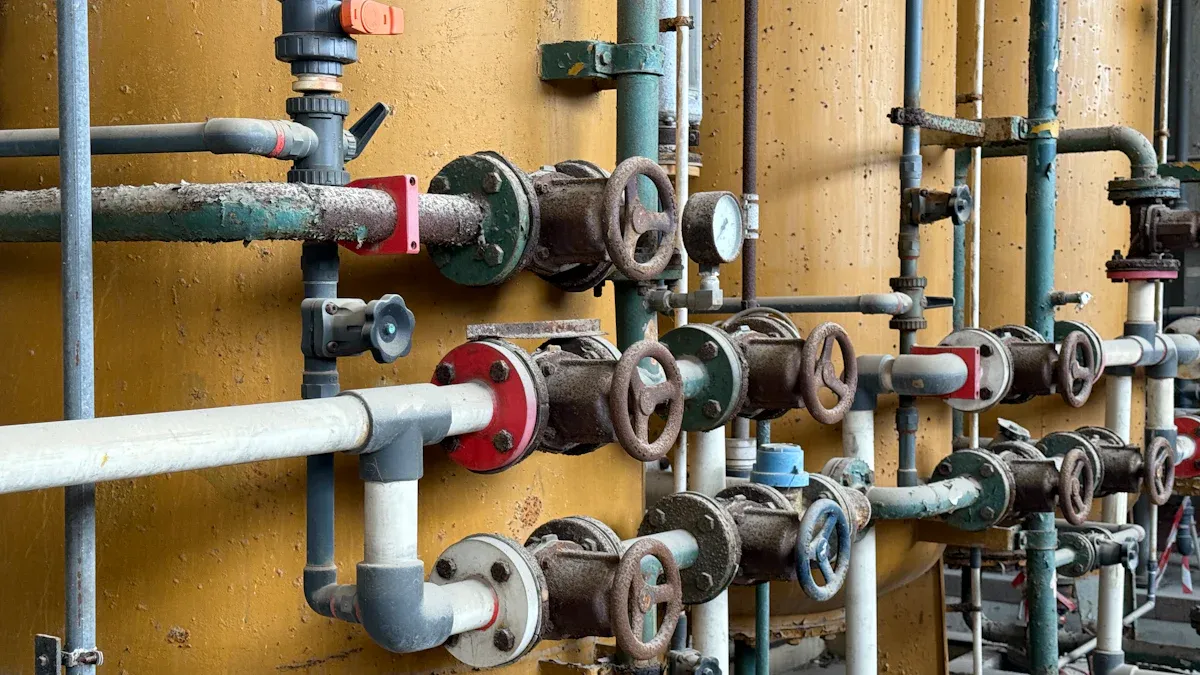
A ptfe lined plug valve is a rotary valve whose wetted parts carry a PTFE lining. The plug sits in a cone-shaped seat. A quarter turn of the handle starts or stops the flow.
The PTFE lining matters because it shields the metal body from harsh chemicals. These quarter turn on/off valves suit corrosive service. The liner acts as a barrier. It keeps aggressive media away from the steel. Operators get simple, fast control. The design also protects the valves from chemical attack. That protection extends service life in demanding lines.
Key Takeaways
- A PTFE lined plug valve uses a quarter-turn handle to start or stop the flow.
- The PTFE lining keeps harsh chemicals away from the metal body and helps the valve last longer.
- These valves work best in corrosive, lower-pressure services, such as chemical plants and water treatment.
- Always check the temperature and pressure ratings to make sure the valve fits your process.
- These valves need little upkeep and are easy to run, so they stay dependable for hard chemical jobs.
What Is a PTFE Lined Plug Valve?
Definition and Core Idea
A ptfe lined plug valve is a rotary valve. Its wetted parts carry a PTFE lining. The main part of the design is a cone-shaped plug. This cone turns inside a matching seat. A quarter turn moves the passage from open to closed. The cone shape gives a large sealing surface. Contact along the full length of the cone produces tight shut-off. The liner itself often serves as the primary sealing surface. That detail sets these valves apart from many other designs. The metal body never touches the process fluid. A thick fluoropolymer layer covers every wetted surface. This layer is molded over the body and the cone. The result is a barrier against acids and caustics. The barrier also stops fluid contamination. Engineers treat ptfe lined equipment as a first choice for aggressive media. The idea is simple. One part moves, and one part seals. A chemically inert surface handles the fluid, and steel handles the structure. This design keeps maintenance crews away from exotic alloys. The liner does the protecting, so the body can be standard steel.
Key Components
The build of lined plug valves follows a clear pattern. A ptfe lined plug valve relies on this stack of parts. A metal body provides structural strength. The lining shields that body from the media. The cone-shaped plug turns within the lined body. The seat or sleeve surrounds the plug and completes the seal. A lockable handle controls the quarter-turn action. A static ground spring bleeds off static charge. In-line adjustability lets technicians tighten the seal without removing the valve from the pipe. Each part has a clear job.
The liner deserves special attention.
It acts like a non-stick barrier. Process fluid meets only the fluoropolymer surface. The metal stays isolated. This setup delivers corrosion resistance against chemical attack. It also prevents valve degradation and fluid contamination. These fluoropolymers resist a wide range of harsh chemical service. Fluoropolymers also resist wetting, so deposits wash away with the flow. The liner also cushions the plug against wear.
A full-port design adds another benefit. The internal diameter matches the connecting pipe. The flow path stays straight and unobstructed. Turbulence and pressure drop fall. Clogging becomes less likely with slurries and viscous fluids. Smooth flow control follows from the same geometry. Operators see steady performance across the whole range.
The quarter-turn mechanism keeps operation simple.
A 90-degree turn moves from fully open to fully closed. The action is quick and clear. Liner-based sealing ensures a bubble-free seal in the closed position. This matters for critical isolation duties.
Ratings define the safe operating envelope.
Common classes include ANSI 150 and 300. The liner material sets the thermal ceiling. PFA linings handle elevated temperatures better than FEP linings. Standard soft-seated units run from -50°C to 300°C. PFA versions reach 230°C, and FEP versions reach 160°C. Working pressure often goes up to 8 kg/cm² at PN 6 or PN 10. Other product lines cover full vacuum to 250 psi. Operating temperatures there run from -20°F to +400°F. A third common range spans -29°C to +160°C with ASME 125, 150, PN6, PN10, and PN16 ratings. Buyers should always check the nameplate against the duty. A quick check of the datasheet prevents mismatches.
How a PTFE Lined Plug Valve Works
Step-by-Step Operation
The process begins at the handle. An operator puts force on the handle, and the cone-shaped plug turns inside its seat. The plug moves a quarter turn, which is 90 degrees. This short motion lines up the passage with the pipe bore and lets flow through. Turning the handle back spins the plug until the passage faces the body wall. The plug then stops the flow and makes a tight seal. The action is direct and needs no gears or actuators on a manual unit. A lockable handle keeps the setting in place. A static ground spring drains off charge during service.
The sleeve design keeps this motion smooth. These quarter turn on/off valves use a non-lubricated PTFE sleeve. No grease enters the flow path. The sleeve resists jamming, so the plug stays easy to operate over time. A valve that sits idle for months still turns freely on the next cycle. That reliability matters in batch plants and standby lines. The sleeve also supports good shut off performance without sealant injection. Operators get predictable isolation with a single motion.
Role of the PTFE Lining
The lining does one main job. It forms a chemically resistant barrier between the process fluid and the metal body. Every wetted surface carries a layer of fluoropolymer. The metal never touches the media. This barrier protects the body from corrosion and keeps the fluid free of metal contamination.
The chemistry behind this protection is simple. PTFE is a highly inert fluoropolymer. Its stability comes from the high bond energy of its carbon-fluorine bonds. Those bonds resist reaction with other substances. The table below sums up the key points.
| Aspect | Detail |
|---|---|
| Resistance mechanism | High carbon-fluorine bond energy makes the polymer inert |
| Media handled | Acids, alkalis, salts, organic solvents, including concentrated sulfuric acid, hydrofluoric acid, nitric acid, and strong alkalis |
| Effect on the body | Shields metal from corrosion while keeping mechanical strength and low-friction operation |
The liner also cuts wear on moving parts. With proper maintenance, the lining protects the metal body and extends service life well beyond that of standard metal valves. That longer life improves economic efficiency. No fixed service life in years or cycles applies, since duty and media vary. Still, the barrier effect holds across a broad range of aggressive services. Fluoropolymers of this class handle pressure and temperature within their rated envelope. Users should confirm those ratings before installation. The mix of an inert liner and a strong steel body gives the ptfe lined plug valve its edge in corrosive lines. The same principle explains why so many valves in chemical service rely on fluoropolymer linings.
Key Features and Benefits
PTFE Chemical Resistance
The liner is what makes this valve so useful. It forms a barrier that does not react. A fluoropolymer lining covers the body and the plug. The process fluid never touches metal. This design stands up to acids, caustics, and solvents. The table below shows common media and their ratings.
| Chemical | Concentration | Temperature Limit |
|---|---|---|
| Hydrochloric acid | All concentrations | Any temperature |
| Sulfuric acid | Up to 98% | Room temperature |
| Nitric acid | Up to 70% | Room temperature |
| Sodium hydroxide | All concentrations | Any temperature |
| Acetone | — | Any temperature |
This chemical resistance covers a wide range. The overall range runs from -260°C to +260°C. Users should check specific media against published data. Some limits apply. Concentrated sulfuric acid may discolor above 150°C. Fluorine gas above 200°C can get through the polymer. The strong chemical resistance comes from the polymer itself.
The corrosion performance of fluoropolymers stands out. Carbon-fluorine bonds resist reaction. This chemical inertness protects the metal body. It also keeps the fluid clean. The fluoropolymer resists reaction with most media. Plants that handle corrosive media rely on this barrier. TANGGONG VALVE offers a fluorine-lined valve portfolio as one example of corrosion-resistant options. Their linings suit many aggressive duties. These valves handle working pressure within their rating.
Low Maintenance, Long Life
A non-lubricated sleeve design cuts maintenance needs. No grease enters the flow path. The plug stays easy to turn after long idle periods. A valve that sits for months still operates smoothly. This reliability helps batch plants and standby lines. The sleeve also resists jamming. Operators get predictable isolation with one motion.
The barrier protects the body from corrosion. That protection extends service life. Maintenance focuses on barrier integrity and seal adjustment. Rust and degradation do not apply to the wetted surface. Fewer lubricants and gaskets reduce production costs. The non-stick surface also prevents build-up. Material washes away with the flow. Low pressure drop follows from the full-port design. The low price of ptfe lined equipment adds to the appeal. Buyers get strong corrosion resistance without exotic alloys. The design suits harsh service where access for repairs is hard.
Limitations and Considerations
Temperature and Pressure Limits
Every material has a working range. PTFE is no different. The liner sets a heat limit, and that limit changes with the grade. Standard soft-seated units run from -50°C to 300°C. PFA versions reach 230°C, and FEP versions reach 160°C. Working pressure often tops out near 8 kg/cm² at PN 6 or PN 10. Buyers should check the nameplate against the real duty before installation.
These limits matter in real service. A line that runs hot or cycles under heavy pressure can push the liner past its rating. The result is deformation, loss of seal, or a shorter service life. Engineers should compare the highest operating temperature and pressure of the process with the published limits of the valve. A quick datasheet check prevents mismatches. When the duty sits well inside the range, the liner performs reliably for years.
Where It Fits Best
This design shines in corrosive, lower-pressure services. Chemical plants, water treatment lines, and petrochemical duties all suit the fluoropolymer barrier. The liner handles acids, caustics, and solvents with ease. The corrosion performance of fluoropolymers protects the body and keeps the fluid clean. Plants that move aggressive media get strong value from these linings.
Other duties call for other tools. High-pressure lines and very hot processes may fit metal-seated valves or other designs better. Those options carry their own strengths. The key is matching the valve to the duty. A PTFE-lined plug valve gives simple quarter-turn control and low maintenance where the chemistry is harsh and the pressure stays moderate. Users who respect the ratings and pick the right grade get dependable isolation. That fit, not raw strength, defines where this valve belongs.
Typical Applications
Chemical and Process Industries
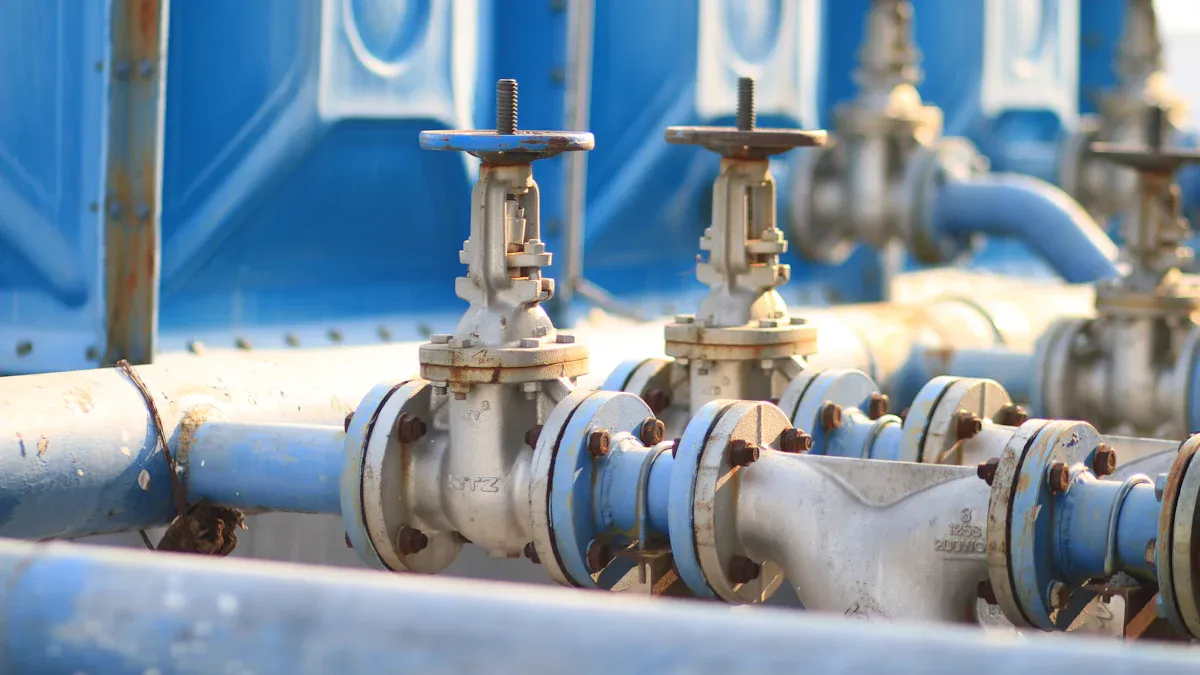
Chemical plants use these valves wherever the media attacks metal. Slurry handling systems depend on the full-bore plug design, which keeps solids moving and resists buildup. Viscous chemical lines and solvent recovery plants also gain from the smooth, non-stick bore. Polymers, adhesives, and other sticky substances pass through without sticking to the walls. Harsh duties that need zero cavity and tight shutoff fit the lined plug design well.
The oil and gas sector uses plug valves for corrosive fluid handling and slurry service. Automated units allow precise dosing and flow regulation of toxic substances. Stricter safety and environmental rules push plants toward automated solutions. These systems keep operation steady and cut risk when crews handle hazardous materials. TANGGONG VALVE brings decades of experience in oil and gas, petrochemical, and energy work to these duties. Their fluorine-lined portfolio shows how a fluoropolymer barrier suits aggressive service.
Water Treatment and More
Water treatment plants depend on these valves to control treatment chemicals and disinfectants. The duty demands corrosion resistance, high purity, and leak-free performance. The table below shows one common stage.
| Treatment Stage | Valve Type | Valve Role |
|---|---|---|
| Disinfection | Plug valves | Controlled chemical flow regulation |
Several performance traits make the fit strong. The PTFE lining shields the valve from attack by harsh chemicals and acids. Tight shut-off prevents leakage and lowers spill and environmental risk. The full-bore through-hole plug design lowers pressure drop and supports high flow rates. Robust construction and low-friction operation minimize servicing needs. The same ptfe lined equipment also handles a range of temperatures, pressures, and fluids. Plants that move corrosive media across many stages get one reliable answer. The fluoropolymers in the liner resist reaction, so the barrier holds through repeated cycles. Operators value the simple quarter-turn action in corrosive applications where access is limited. Fewer repairs mean less downtime and steadier flow through the whole treatment train.
A ptfe lined plug valve is a rotary valve.
It has a cone-shaped plug and a PTFE barrier. A quarter turn of the handle starts or stops flow. The liner shields the metal body from harsh media.
Its main strengths are chemical resistance, simple quarter-turn operation, and low maintenance. The non-lubricated sleeve keeps it easy to turn after long idle periods. Key limits are temperature and pressure ratings.
These valves suit corrosive duties where the chemistry is harsh. Check the pressure and temperature limits first. Match the liner grade to the duty. That fit delivers dependable isolation and a long service life.
FAQ
What media can a PTFE lined plug valve handle?
The liner resists acids, caustics, and solvents. Its chemical resistance covers many aggressive media. Plants use it for corrosive chemical service. Smooth flow keeps the line clean. Users should check published data for each medium.
How does the liner affect flow?
The smooth bore keeps flow steady. A full-port design lowers resistance and supports high flow rates. The non-stick surface resists buildup, so flow stays clear. Sticky media pass through without clogging the flow path. Operators see consistent flow across the range.
What pressure limits apply?
Working pressure often tops out near 8 kg/cm² at PN 6 or PN 10. Users should compare the highest line pressure with the valve rating. A datasheet check prevents mismatches and protects flow control.
How often does the unit need service?
The non-lubricated sleeve needs little attention. The plug stays easy to turn after long idle periods. Maintenance focuses on seal adjustment and liner integrity. Fewer repairs mean less downtime and steadier flow.
Can the liner handle hot flow?
The liner grade sets the heat limit. PFA versions reach 230°C, and FEP versions reach 160°C. Hot flow beyond the rating can damage the seal. Users should confirm the duty against the datasheet and keep flow inside the limit.