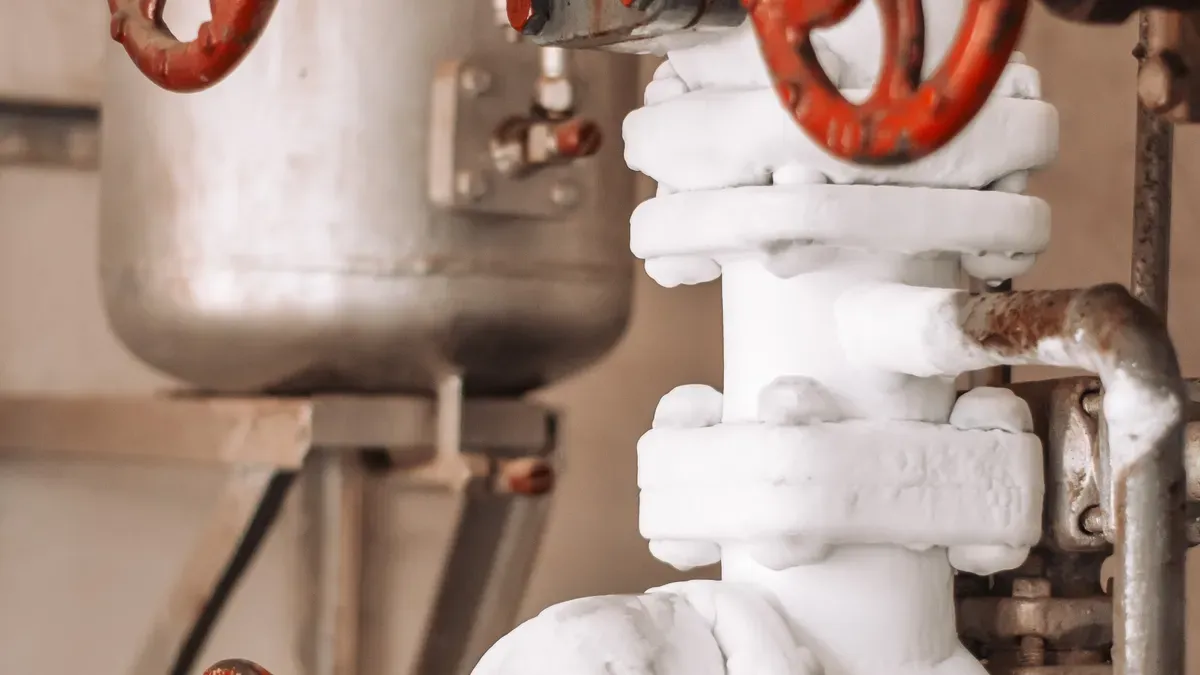
A PFA lined butterfly valve works well in corrosive environments. The PFA lining creates a barrier that blocks chemicals and does not react with them. The butterfly design adds compact size, low cost, and high flow capacity. Together, these traits keep harsh media away from the metal body and provide reliable control.
Three main points support this answer. First, PFA barrier properties and corrosion resistance protect the valve body and the process fluid. Second, a comparison with PTFE lining and other materials shows where each option fits best. Third, valve-design advantages explain the space, flow, and cost benefits. Each point rests on technical evidence, and each one helps engineers choose the right valve for corrosive service.
Key Takeaways
- PFA lining makes a strong shield that keeps harsh chemicals from harming the valve body.
- PFA lined valves stop fluids from seeping through, so harsh liquids and vapors stay safely inside.
- Butterfly valves are small and light, and they cost less than ball valves of the same size.
- Pick PFA lining for high-heat, ultra-pure, or pharmaceutical jobs; PTFE works well for general corrosive service.
- Always check the media, temperature, pressure, and cycling before you choose a lined valve for corrosive service.
PFA Lining and Corrosion Resistance
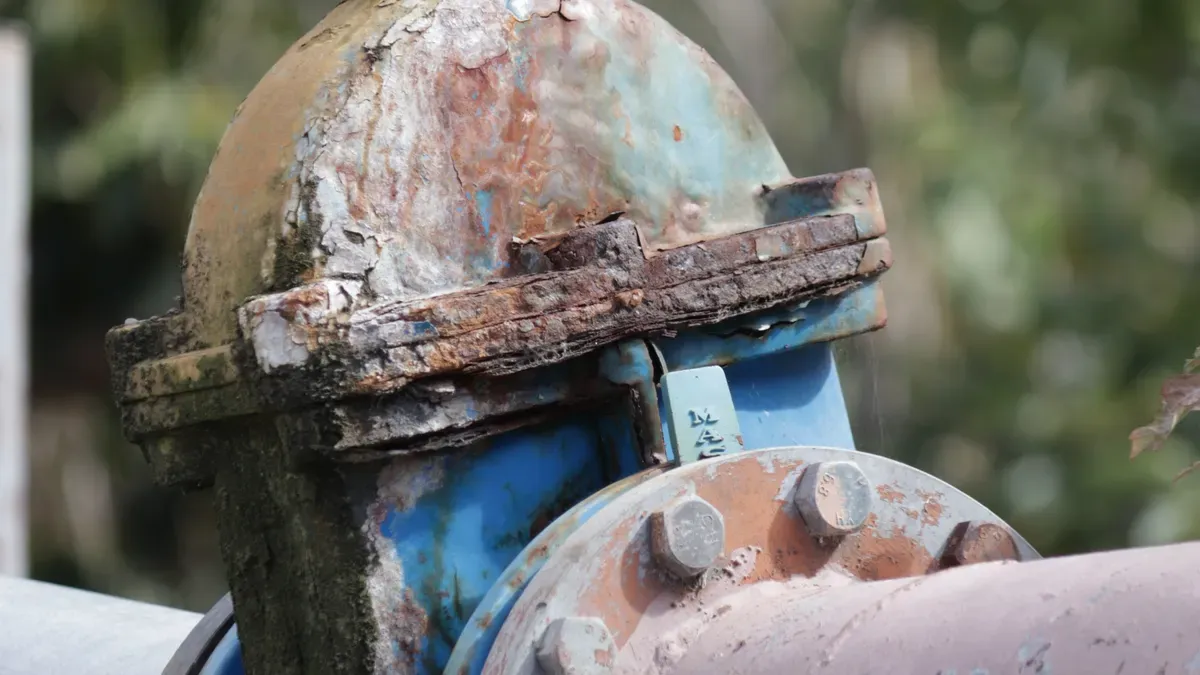
What PFA Is and How It Works
PFA, or perfluoroalkoxy, is a polymer made entirely of fluorine. Its backbone is carbon atoms bonded to fluorine atoms, with perfluoroalkoxy side chains. Every hydrogen atom is swapped out for fluorine. This structure is what makes PFA chemically inert.
The carbon–fluorine bond has a bond dissociation energy of 485 kJ/mol. Fluorine also has an electronegativity of 4.0, the highest of any element. These two traits build a dense electron cloud around the carbon chain. The result is a molecular armor that resists attack from most industrial media.
- Strong acids cannot break the C–F bond. Fluorine pushes hydrogen ions away, and the dense fluorine layer stops acid molecules from getting into the material.
- Strong bases cannot get near the carbon chain. PFA has no weakly polar bonds, so OH⁻ ions stay away and the structure resists hydrolysis.
- Oxidizing media find almost no electrons to grab. The high bond energy takes the shock of oxidation, so PFA does not break down or age.
This is why PFA stands up to concentrated sulfuric acid (98% H₂SO₄), hydrofluoric acid (49% HF), aqua regia, sodium hydroxide (50% NaOH), and organic solvents at temperatures up to 200°C. In a pfa lined butterfly valve, this material sits right between the process medium and the metal body. The fluoropolymer lining works as both the corrosion barrier and the sealing element. The disc turns inside this lined flow path, so wetted surfaces stay protected through every cycle. The lining’s compatibility with the process fluid is critical, because the liner is the barrier.
Permeation Barrier and Leak Protection
Corrosion resistance alone is not enough. A liner must also stop permeation, the slow spread of molecules through a material. PFA offers very low gas and liquid permeation. Its lower void density explains this performance. PFA provides 10 times lower permeation than polyethylene and lower permeability to gases and vapors than ETFE.
This matters for safety. A barrier that nothing gets through keeps corrosive fluids and vapors away from the metal frame. Metal that never touches the medium cannot degrade, crack, or leak. Workers and the environment stay shielded from hazardous media, and the process fluid stays free of contamination.
Field experience supports the point. One plant’s ventilation system for an evaporator unit had repeated cracks and leaks from acid vapor, forcing shutdowns every few months. After a PFA lining was installed, a one-year follow-up showed no trouble and no maintenance for over 12 months.
A company handling highly corrosive hydrofluoric acid built storage vessels with the FRP dual-laminate method and a PFA glass-backed lining. The product resisted high temperatures and vacuum conditions, holding the acid safely and shielding workers from exposure.
These examples show how a fluoropolymer lining delivers corrosion protection that lasts. For pfa lined valves in aggressive service, the barrier is the first line of defense.
PFA vs. PTFE Lined Butterfly Valves
Performance in Aggressive Chemicals
PFA and PTFE linings both give strong protection against acids, alkalis, and other harsh chemicals. Regular metal valves break down fast in these services. A fluoropolymer lining changes that result.
PTFE lining offers outstanding chemical inertness. Its strong carbon–fluorine backbone gives almost universal protection against acids, bases, solvents, and corrosive gases. Performance stays steady across a wide range of conditions. PFA lining matches this protection and adds melt-processability for complex shapes.
| Attribute | PTFE | PFA |
|---|---|---|
| Chemical resistance | Exceptionally strong; resists strong acids, dilute acids, alkalis, halogenated hydrocarbons, alcohols, ketones, aromatic hydrocarbons, oils, greases | Exceptionally strong; comparable broad resistance to acids, bases, and solvents |
| Swelling, dissolution, cracking | Very low likelihood under ordinary lab exposure | Very low likelihood under ordinary lab exposure |
| Temperature resistance | Up to ~260°C | Up to ~260°C |
| Typical lining use | Wetted parts, tubing, vessels, liners, seals, fittings | Trace-analysis vessels, digestion containers, reagent-transfer tubing, liners |
The table shows two materials with similar chemical resistance. The real difference is in how they are made and their surface quality, not raw protection. Neither option is worse. Each one fits a different service profile.
Practical limits matter as much as material data. PTFE lined butterfly valves keep mechanical integrity and sealing below 120°C (248°F) in continuous duty. Short-term peaks reach 150°C (302°F), with some risk of seal deformation. The PTFE material itself stays chemically stable up to 200°C (392°F), but that figure describes the polymer, not valve performance. Pressure limits have no fixed value. The rating drops as temperature rises, so users should check the manufacturer’s pressure-temperature curve and never run at maximum temperature and maximum pressure at once.
Erosion and cavitation resistance also favor both linings. Soft, resilient fluoropolymer surfaces absorb particle impact and dampen cavitation collapse. PTFE lined valves and PFA lined valves therefore handle slurries that would erode bare metal trim.
Matching PTFE Lining to the Right Service
Selection follows the service, not a ranking. For general corrosive duty at moderate temperatures, PTFE lining is a proven, reliable, and cost-effective choice. Its chemical inertness covers most plant media, and the lining resists chemical corrosion across routine operating cycles.
PFA earns preference in three situations. High-temperature service benefits from its higher thermal rating. Ultra-pure media benefit from its lower permeability. Pharmaceutical and food-grade processes often specify the smoother, less porous PFA surface to prevent contamination.
The decision is a trade-off. PTFE lining offers proven performance and cost efficiency. PFA lining offers enhanced temperature capability and lower permeability for demanding services. Engineers should weigh media, temperature, pressure, and cycling before committing. A pfa lined butterfly valve suits the tougher end of that spectrum. A ptfe lined butterfly valve covers the broad middle ground. Both remain sound choices for corrosive service.
Why PFA Lined Butterfly Valve Design Wins
Compact Footprint and High Flow
A butterfly valve’s wafer body is very short from face to face. It works like a thin round disc held between two flanges. A ball valve, on the other hand, has a longer body that takes up more pipeline space. In tight spots, like between a hydraulic tank outlet and a pump inlet, a full-port ball valve may not fit at all. A compact butterfly valve can be the only choice that works.
| Aspect | Butterfly Valve | Ball Valve |
|---|---|---|
| Weight | 70–75% lighter than ball valves of the same size | Heavier to start with |
| Footprint | Takes up less space | Takes up more space |
| Mounting | Wafer type: held between flanges by through-bolts | Longer body that uses more pipeline length |
| Best fit | Large-diameter, high-volume systems where weight matters | Places with plenty of room |
The disc turns on a shaft in the center of the pipe bore. This design means the valve does not need long bodies and complex parts like ball and gate valves have. The valve becomes part of the pipeline instead of a bulky add-on. This small size helps more as pipe diameter gets bigger. It lowers installation costs and the need for structural support. The wafer build mounts right between standard flanges with no extra fittings.
Cost and Installation Considerations
Butterfly valves cost less than ball valves of the same size. They also give high flow capacity with low pressure drop. Ball valves work better for services that need tight shutoff or frequent throttling of slurries. A pfa lined butterfly valve handles most corrosive duty at a lower total cost.
Installing ptfe lined butterfly valves the right way is very important. Tightening too much can crush the PTFE seat. Uneven pressure can cause leaks. Follow these steps to protect the seat and make it last longer:
- Center and level the valve between the pipe flanges.
- Install a gasket of the right size that works with the fluid and temperature.
- Lubricate bolts where the manufacturer says to.
- Tighten the bolts in a cross (diagonal) pattern.
- Use a torque wrench and tighten to the manufacturer’s spec.
Liben Play supplies lined valves for corrosive-service projects and helps with proper installation practice.
Key Applications in Corrosive Environments
Chemical Processing and Aggressive Media
Chemical plants work with acids, alkalis, and other harsh chemicals. Metal valves break down fast in these services. A ptfe lining or PFA lining keeps the medium away from the metal body. PFA lined valves give long-lasting performance in these plants. The lining resists attack from strong acids and bases.
Slurries and Demanding Services
Slurries and high-erosion services need tough valve surfaces. Soft, flexible fluoropolymer linings soak up particle impact. PTFE lined valves and PFA lined valves both handle slurries that would wear away bare metal trim. A short checklist helps confirm the right fit:
- Media: check that the lining works with the chemical.
- Temperature: look at the pressure-temperature curve.
- Pressure: never run at top temperature and top pressure at the same time.
- Cycling: match the seat and lining to the expected number of cycles.
Liben Play serves corrosive-service projects with lined valve options for these demanding duties.
Key Applications in Corrosive Environments
Chemical Processing and Aggressive Media
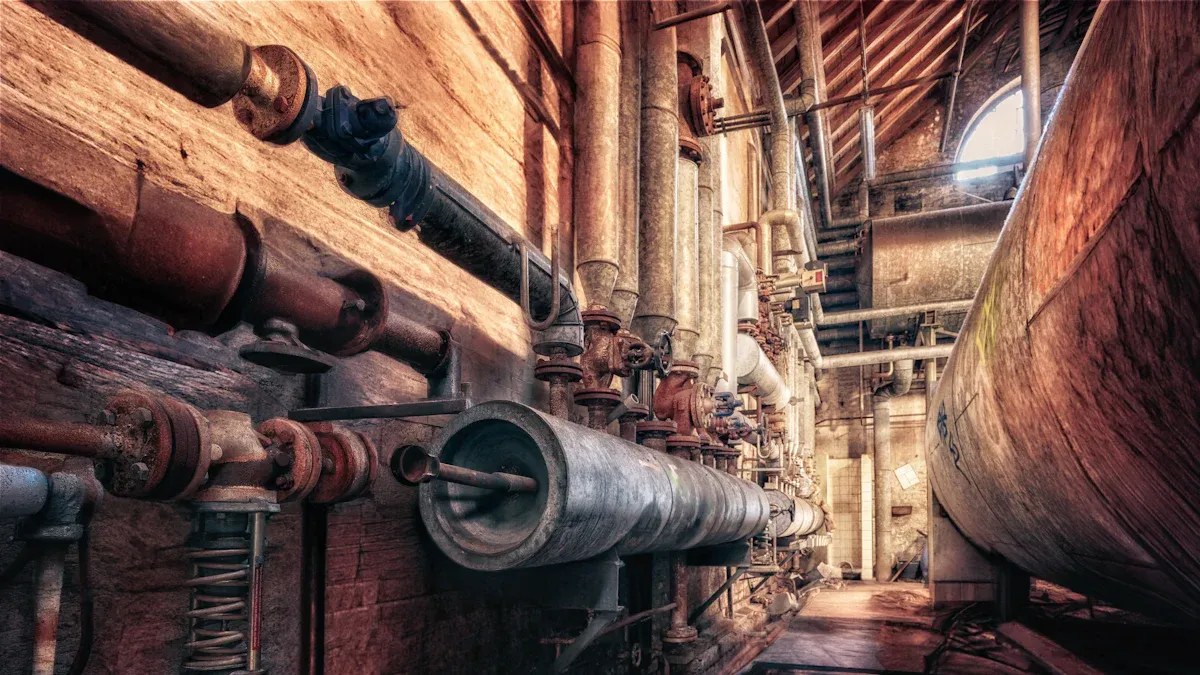
Chemical plants work with acids, alkalis, and other harsh chemicals every day. A pfa lined butterfly valve keeps working for a long time in these services. The lining protects the metal body from chemical attack, so the valve keeps working where bare metal would fail.
The table below shows common media and the temperatures a PFA lining handles well.
| Medium | Concentration | Max. Temp. | PFA Resistance |
|---|---|---|---|
| Hydrochloric Acid (HCl) | up to 37% | 120 °C | Excellent |
| Sulfuric Acid (H₂SO₄) | up to 98% | 120 °C | Excellent |
| Nitric Acid (HNO₃) | up to 70% | 80 °C | Excellent |
| Sodium Hydroxide (NaOH) | up to 50% | 120 °C | Excellent |
| Phosphoric Acid (H₃PO₄) | up to 85% | 120 °C | Excellent |
| Sodium Hypochlorite (NaOCl) | up to 15% | 60 °C | Excellent |
Common jobs include making inorganic chemicals, where valves handle strong acid feed, dilution systems, neutralization circuits, and product transfer. Chlor-alkali processing is another good fit. Brine systems, chlorine handling, caustic concentration, and hydrogen circuits all need parts that will not react. Plants also choose pfa lined valves for sulfuric acid systems, hydrochloric acid service, chemical transfer, plating chemicals, and ultra-pure chemicals for semiconductors.
Slurries and Demanding Services
Slurries and high-erosion jobs are hard on valve parts. Soft fluoropolymer linings soak up particle impact and resist wear. Both PFA and ptfe lined valves work for these services, and ptfe lined valves are still a good pick for moderate-temperature slurry lines. Users of ptfe lined valves should still check the pressure-temperature curve before ordering.
A short checklist confirms fit for corrosive industrial systems:
- Media: check that the lining resists the chemical.
- Temperature: stay inside the lining’s rated range.
- Pressure: check the rating at the actual operating temperature.
- Cycling: match the seat to the expected cycle count.
Liben Play supplies lined valve options for corrosive-service projects and helps with selection for these duties.
Three reasons make PFA lined butterfly valves a good choice for corrosive service. First, the PFA barrier resists corrosion and blocks permeation, so metal never touches harsh chemicals. Second, corrosion resistance like PTFE lining comes with a good balance of performance and cost. Third, the compact butterfly body adds high flow and lower cost, and corrosion resistance holds up in corrosive slurry duty.
Confirm corrosion resistance and fit before ordering:
- Media: check the exact chemicals, concentration, and solids.
- Temperature: check operating and thermal cycling conditions.
- Pressure: compare the valve rating to expected pressure.
- Cycling: match the seat to how often the valve cycles.
This checklist turns corrosion protection and corrosion resistance into confident selection.
FAQ
When should an engineer choose PFA lining over PTFE lining?
PFA is the better pick in three cases: high-temperature service, ultra-pure media, and pharmaceutical or food-grade processes that need a smoother surface. PTFE lining covers general corrosive duty at moderate temperatures, and it has proven performance and cost efficiency. Both materials resist acids, alkalis, and solvents well.
What temperature limits apply to a PTFE lined butterfly valve?
PTFE lined valves keep mechanical integrity and sealing below 120°C (248°F) in continuous duty. Short-term peaks reach 150°C (302°F), and there is some risk of seal deformation. The polymer itself stays chemically stable up to 200°C (392°F), but that figure describes the material, not valve performance.
Why does installation matter so much for a lined butterfly valve?
Overtightening can crush the PTFE seat, and uneven pressure can cause leaks. Technicians should center the valve between the flanges and fit a compatible gasket. They should also tighten the bolts in a diagonal pattern with a torque wrench set to the manufacturer’s specification.
How does a buyer confirm a lined valve fits a corrosive application?
Four checks settle the question. First, the exact media and concentration. Second, the operating temperature against the pressure-temperature curve. Third, the pressure rating at that temperature. Fourth, the expected cycle count. Matching the seat and lining to all four points confirms fit before ordering.