
A through conduit knife gate valve is an industrial isolation valve with a full-bore design. The gate pulls back all the way, leaving an open path for media. This design is different from a standard knife gate valve. A standard model has a cavity that traps solids. The through conduit style gets rid of this problem. It lets slurries, fibers, and abrasive materials flow smoothly. The valve’s main job is reliable isolation with very little flow resistance. Industries depend on this valve for demanding applications. Wastewater plants, mines, and pulp mills use it every day. The design ensures non-clogging operation and tight shutoff. Operators choose it for tough services.
Key Takeaways
- A through conduit knife gate valve has a full-bore opening. Media flows through with no trapped spaces. This design prevents clogging.
- Standard knife gate valves trap solids. A through conduit valve pulls its gate fully back. This clears the path.
- The sharp blade cuts through thick slurry. Open position aligns the round port. Closed position blocks the line fully.
- This valve provides on/off isolation only. It does not control flow rate. Partial opening damages seats. This causes vibration.
- Choose this valve for wastewater, mining, pulp lines. It offers a bubble-tight seal. It survives abrasive materials. Maintenance stays low.
What Is a Through Conduit Knife Gate Valve

Definition and Full-Bore Design
A through conduit knife gate valve is an isolation valve with a straight, open passageway. Media goes in one end of the body and comes out the other. It never hits a pocket, ledge, or cavity along the way. The bore matches the pipe’s inside diameter, so the valve works like a smooth part of the pipeline. This free bore design keeps pressure loss low. It also stops material from building up inside the body.
The main part of the design is a rectangular disc with a circular hole cut through it. That hole is the same size as the full flow passage. When the operator lifts the disc, the round port lines up with the body outlet. This creates an open path for media. When the operator lowers the disc, a solid part of the blade blocks the line completely. In the open position, the gate pulls back fully outside the bore. Nothing sticks into the flow. A two-piece body with metal retainers presses soft seat rings against both sides of the disc. This setup gives shutoff in both directions. That matters when flow direction flips during normal use. Scrapers at the top of the body wipe the disc clean on every stroke. The through-conduit shape leaves no dead space for residue to collect.
Difference from a Standard Knife Gate Valve
A standard knife gate valve and a through conduit knife gate valve use a similar blade idea. But they act very differently in dirty service. The standard version often traps solids in the bottom seating area. Those trapped bits stop full closure and shorten service life. The through-conduit gate valves fix this problem with a full-port opening. It lets large solids, thick fluids, sludge, and heavy slurry pass through without blockage.
A standard gate valve usually uses a wedge and works best for clean liquids. Solids can easily get stuck in the bottom seating area and stop full closure. In contrast, knife gate valves have a sharpened knife edge made to cut through suspended solids, slurry, pulp, and thick fluids.
The design differences create clear operating benefits:
- The through conduit knife gate valve works in both directions and handles large solids, thick fluids, sludge, and heavy slurry.
- The blade runs through the whole length of the body. A circular outlet is cut in the middle of the blade.
- When open, this circular outlet lines up with the body outlet. This allows maximum direct flow and makes the valve act like part of the piping, which removes dead zones.
A standard knife gate valve can trap solids in a cavity instead of clearing them. Anyone asking what is a gate valve in this context should know one key point. A standard gate valve isolates clean fluids well. A through conduit knife gate valve isolates tough media without clogging. The full-bore path also lowers turbulence. This protects downstream equipment and cuts energy use across the system.
How Does a Knife Gate Valve Work
Key Components and Internal Mechanism
A knife gate valve has four main parts. The gate, or blade, is a flat metal plate with a sharp edge. This part is often made from stainless steel or another alloy that resists corrosion. The body is the part that holds the gate and connects to the pipeline. Cast iron, stainless steel, or plastic may be used for the body, depending on the job. The seat creates the seal. Rubber and polyurethane are common seat materials. The stem links the gate to the actuator. If rust and corrosion are concerns, makers suggest stainless steel or other suitable alloys for the stem. Plating or protective coatings can make the stem last longer.
The two-seat design makes this valve special. Two seat rings press on both faces of the gate. That setup seals the upstream and downstream sides. With no cavity for solids to collect, the valve shuts off without clogging. Scrapers on top of the body wipe the gate clean each stroke.
How Does a Gate Valve Work to Control Flow
The gate moves up and down in a straight line. The actuator turns the stem, and the stem pushes or pulls the gate. This straight-line motion is simple and dependable. When the gate rises, the round port in the blade lines up with the body opening. Flow passes through with very little resistance. When the gate lowers, the solid part of the blade blocks the passage completely.
The valve’s name comes from its sharpened blade. That edge cuts through or pushes aside thick or gritty material. A wedge gate valve does not have this cutting edge, so it needs clean media to work. The table below shows the main differences.
| Valve type | Cutting design | How it handles media | Common service |
|---|---|---|---|
| Sharpened knife gate | Full-bore opening; sharp edge cuts solids | Handles slurries and thick fluids; cleans itself | Mining, pulp, wastewater |
| Wedge gate | No cutting edge | Needs clean media; can clog with solids | Water mains, steam lines |
Knife gate valves handle slurry, powder, or granules better than wedge gate valves. The paper, food processing, and cement industries rely on this design.
These valves are for on/off control, not for adjusting flow rate. A partly open gate causes vibration that ruins the seats. The full-port design reduces pressure drop and stops material from building up. These features make the valve ideal for isolation in slurry pipelines. Use a globe valve or another throttling valve when you need to adjust flow.
Operation and Sealing Performance
Step-by-Step Opening and Closing
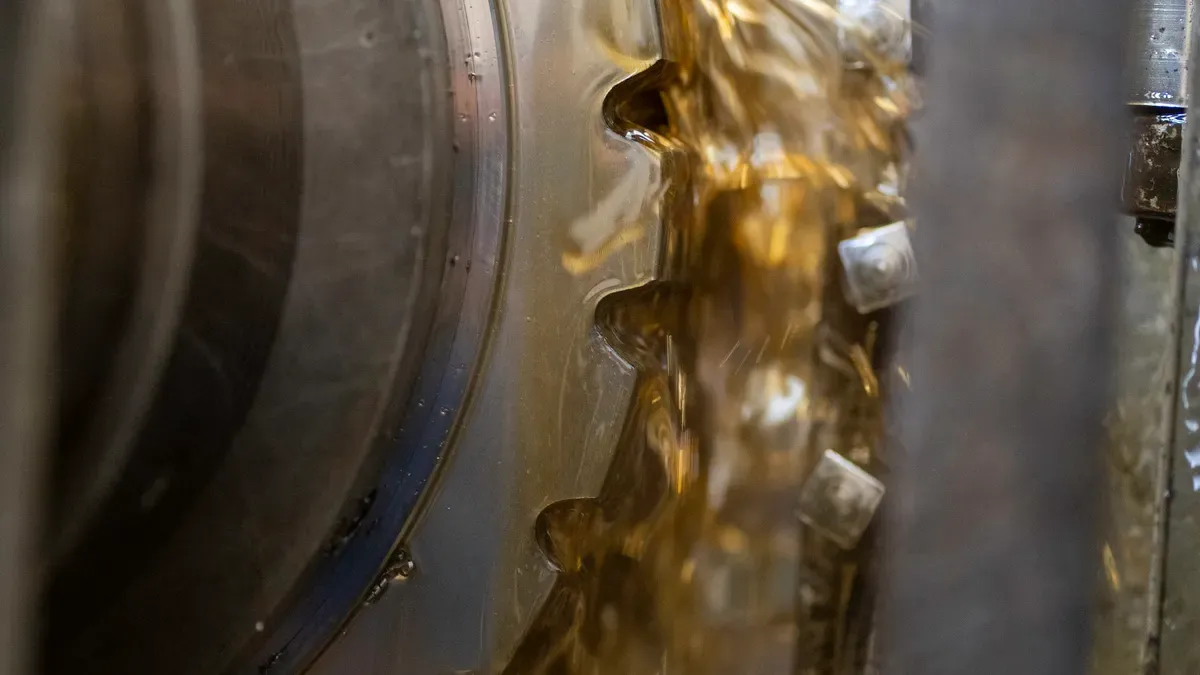
The valve works through a simple mechanical process. The actuator turns the stem. The stem moves the gate up or down. For opening, the actuator lifts the gate all the way. The gate pulls fully out of the bore. The round port lines up with the body opening. This makes an open path for material. No pocket traps material. For closing, the actuator moves the opposite way. The sharp blade cuts through leftover debris. The gate seats firmly against the body rings. This blocks the line completely.
- The actuator gets an open signal.
- The stem turns and raises the gate.
- The gate rises fully above the bore.
- Material passes straight through the valve.
- A close signal lowers the blade.
- The blade presses into the seats for a tight seal.
Knowing how gate valves work helps maintenance crews predict wear. Knife gate valves do not use the wedge action of old designs. The full-bore port lets material flow freely in both directions.
Achieving a Bubble-Tight Shutoff
The two-seat design creates the shutoff performance. Two seat rings press against both sides of the gate. Soft seats, such as rubber or polyurethane, bend to fit small flaws on the blade. They form a dependable seal around the port. This setup stops air and material from leaking. Operators get a dependable tight closure on every cycle.
Seating force decides seal quality. The stem sends force straight to the blade. That force squeezes the seat rings to form a tight seal. The sealing surfaces stay clean because the blade wipes them while moving. This wiping action removes particles that could damage the seats.
The two-piece body with metal retainers holds the seat rings against the disc. This design keeps the seal intact over long service. Clean material flow and regular actuator checks keep the valve working.
Advantages of Through Conduit Knife Gate Valves
Minimal Pressure Drop and Non-Clogging Flow
A through conduit knife gate valve gives you better flow than other designs. The full-bore design makes an open path. It matches the pipe size exactly. Media goes through without swirling around. This straight path means very little pressure loss across the valve. It also means very little pressure loss downstream. Operators save energy all through the pipeline system.
The non-clogging design handles tough materials easily. Slurry, thick sludge, and fibrous pulp pass through without getting stuck. The gate pulls all the way back into the body. Nothing stays in the flow path to catch solids. Standard knife gate valve designs often trap material in cavities. This design gets rid of those dead zones completely. High-consistency media flows freely. This steady flow cuts downtime in demanding services.
Durability and Easy Maintenance
Knife gate valves last a long time in abrasive, corrosive, and thick media. The sharpened blade cuts through dense solids on every stroke. The double seat design keeps the contact surfaces safe from damage. Each cycle wipes the blade clean. This self-cleaning action makes the valve last longer. The design also gives reliable actuation. It provides a dependable seal in harsh environments.
TANGGONG VALVE brings substantial manufacturing experience to this product line. The company offers a broad range of valve series. Their quality management system holds certification and follows international standards:
| Certification or Standard | What It Means for This Valve |
|---|---|
| ISO 9001:2015 | Quality management system certification |
| CE marking | European conformity for industrial equipment |
| API 6D | Design standard for pipeline valves |
| API 598, EN 12266-1, ISO 5208 | Testing standards for valve sealing performance |
The two-piece body with metal retainers holds the seat rings against both sides of the blade. The seat rings form a strong seal around the blade. This design keeps a tight seal over long periods. Regular actuator checks and clean flow keep the valve working at its best. Operators check the seal during routine inspections.
Common Applications and TANGGONG VALVE Solutions
Wastewater Treatment and Mining
Through conduit knife gate valves work very well in wastewater treatment plants. These plants deal with raw sewage, sludge, and grit every day. The full-bore design lets suspended solids move through without clogging. Workers use these valves on incoming lines, digester feeds, and sludge transfer points. The non-clogging path keeps flow steady all day and night. A tight seal prevents leaks when maintenance shuts the system down. Wastewater jobs need this kind of reliability.
Mining companies depend on these valves to move abrasive slurry. Ore processing makes thick mixes of rock, water, and chemicals. A regular valve would wear out quickly in this kind of work. The sharpened blade of a knife gate valve cuts through abrasive slurry on every stroke. The double seat guards the sealing surfaces from grit damage. Tailings lines, cyclone feeds, and concentrate transfer all benefit from this design. The valve manages the roughest slurry media without frequent repairs.
Pulp, Paper, and Power Generation
Pulp and paper mills use these valves on stock lines and chemical recovery. Wood fiber, pulp stock, and coating mixtures pass through the system. The full-port opening keeps fiber bundles from catching on internal ledges. A clear flow path lowers turbulence and shields downstream equipment. The valve also performs well in bleach plants and recycled paper processing. These gate valve applications need dependable isolation with low pressure loss.
Power plants use through conduit knife gate valves for ash handling and flue gas desulfurization. Bottom ash, fly ash, and limestone slurry all have abrasive particles. The valve’s cutting edge moves these materials without jamming. Cooling water lines and scrubber systems also benefit from the clear bore. TANGGONG VALVE serves customers worldwide. The company offers custom solutions for oil and gas, petrochemical, energy, marine, and metallurgy. Its product line includes a broad range of valve series for tough industrial jobs.
This valve delivers a full-bore opening that creates an open path, so media can flow freely. Slurries, solids, and thick liquids pass without clogging. Its sharpened gate cuts debris, and the body leaves no dead zones. This design cuts pressure loss and keeps flow steady. The gate’s straight-line motion retracts fully when open and seats firmly when closed. Operators trust the through conduit knife gate valve for reliable isolation, and the double seat gives a tight seal under demanding conditions. That seal resists wear from abrasive particles. Good sealing extends service life and lowers maintenance. This valve remains essential for reliable isolation and low flow resistance as industrial systems handle tougher media.
FAQ
How does this valve differ from a basic knife gate valve?
A basic knife gate valve traps solids in a cavity. A through conduit style leaves no dead space. Learning what is a gate valve helps operators see this advantage. The full bore keeps media moving without blockage.
Does the through conduit design prevent clogging?
Yes. The full-bore opening matches the pipe diameter. Media passes straight through the body. The gate pulls back fully out of the bore. No pocket exists to catch debris. This setup keeps flow steady and stops blockages.
Does this valve provide throttling control?
No. This valve is for on/off isolation only. A partly open gate creates vibration. That vibration harms seats. Operators use control valves to control flow. The sharp blade cuts through debris when closing.
How does the valve achieve a bubble-tight closure?
Two seat rings press against both sides of the gate. Soft seats bend around small surface flaws. They form a tight closure. The double-seat design seals upstream and downstream sides. This structure keeps the seal reliable under abrasive force.