A hydraulic knife gate valve is a linear isolation valve. It uses a fluid-powered cylinder to push a sharp-edged gate through the pipeline. This starts or stops the flow. You send fluid into that cylinder, and the piston pushes the gate down. The gate cuts through slurry and seals the line. Reversing the fluid lifts the gate open.
Mining, wastewater, and pulp operations pick knife gate valves for high thrust and reliable shutoff in tough slurries. Unlike common designs, this knife gate valve has a short body and full bore. So pressure drop stays low. You get precise control even in abrasive media. That reliability matters when downtime costs money.
Key Takeaways
- A hydraulic knife gate valve uses fluid power to push a sharp blade through the pipeline. This blade cuts through thick liquids and waste to start or stop the flow.
- The valve works by moving a piston inside a cylinder. The piston pushes the gate down to close the line or up to open it.
- Hydraulic actuation gives strong force and exact control. This makes the valve dependable in hard jobs like mining and wastewater.
- You can pick from single-acting, double-acting, or electro-hydraulic cylinders. Each type gives you different benefits for your process.
- Checking the seals, fluid levels, and gate movement often helps the valve last longer. This easy habit stops surprise shutdowns.
What A Hydraulic Knife Gate Valve Does
Definition And Purpose
A hydraulic knife gate valve is a specific kind of isolation valve, and it is built for one job: stopping or starting flow. You use it for isolation or on/off service, not for throttling or regulating the flow rate. The valve pushes a sharp metal blade straight down through the pipe bore to cut off whatever moves through the line. That blade gives the design its name.
This valve is a linear motion device. The gate travels in a straight line at a right angle to the flow path. A standard gate valve also uses a linear gate, but the differences between knife gate valves and conventional gate valves matter in tough service. A knife gate valve has a shorter face-to-face body, a thinner gate, and a packing gland that seals around the stem. Those differences let the valve fit into tight spaces and handle media that would jam a standard gate valve.
Hydraulic actuation is one automation option among several. You can also choose manual, pneumatic, or electric actuators. Hydraulic units do best when you need high thrust and precise control. The hydraulic cylinder delivers strong, steady force to push the blade through thick material. That force keeps the valve working when other actuators stall.
Pipeline Role And Media Handled
The valve sits in the pipeline as a shutoff device. It handles slurry, sludge, and fibrous media that contain a high concentration of suspended solids. These lines carry material that would clog or damage other valve types. The knife edge cuts through solids instead of pushing them aside.
Different industries rely on knife gate valves for their toughest lines. The table below shows common applications and the media each one isolates.
| Industry | Common media isolated with knife gate valves |
|---|---|
| Wastewater treatment | Municipal sewage, industrial effluent, sludge, and biological slurry lines; flocs and solids are cut through to prevent clogging. |
| Mining and metallurgy | Ore slurry, tailings, metallurgical ash, coal powder, and slag slurry; metal-seated versions withstand high abrasion and high solids concentrations. |
| Pulp and paper / textile | Paper pulp and textile fiber slurries; the blade cuts through fibers, preventing wrapping and poor sealing. |
In wastewater plants, the valve isolates dense, sewage sludge that would choke a conventional gate valve. In mining, it stands up to abrasive ore slurry. Each application demands reliable sealing and repeatable operation.
International standards set the design and testing rules for these valves. AWWA C-520 is the main standard. It covers stainless steel and ductile-iron body knife gate valves with resilient and metal seats in water and wastewater systems. It requires hydrostatic pressure testing at two times the rated design pressure, with no permanent visible deformation. The gate must withstand full differential pressure without going past the lower of 30% tensile strength or 70% yield strength. MSS SP-151 covers normal production testing, and MSS SP-81 covers seat-testing provisions. Under AWWA C-520, unidirectional, or one-way, valves are seat-tested at design pressure, unlike the 40-psi test for MSS SP-81-compliant valves. These standards give you a clear measuring stick for performance and safety.
Design & Parts Of A Knife Gate Valve
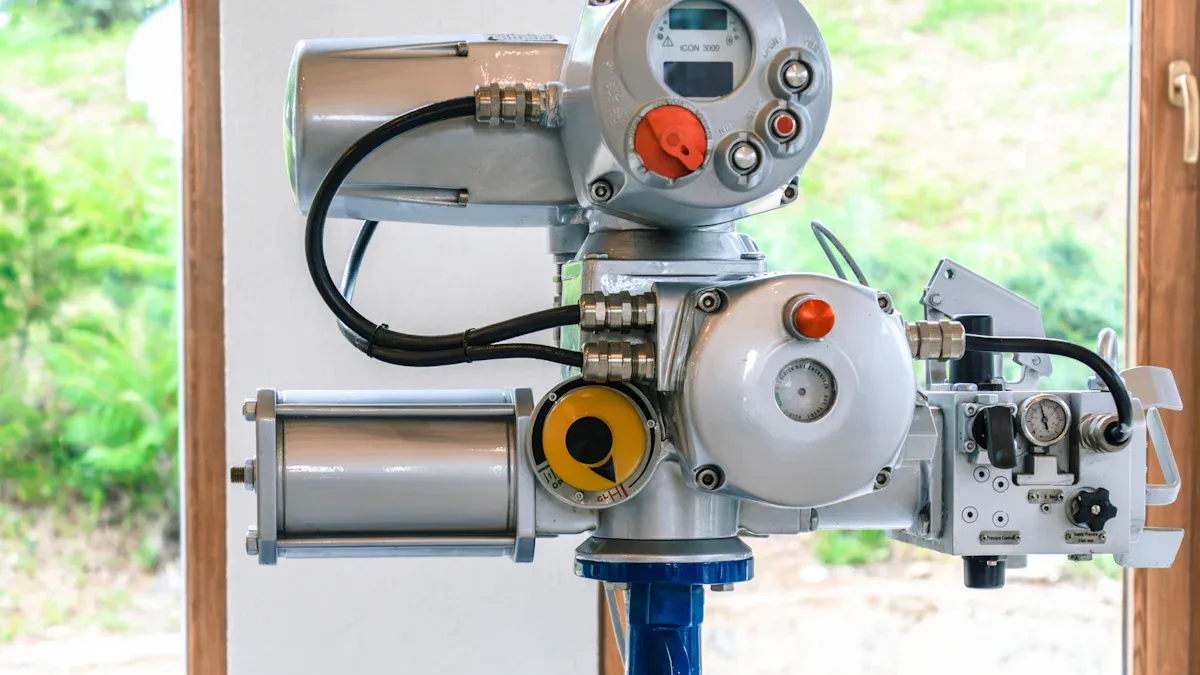
Body, Bore, And Knife Gate
The body is the outer shell that holds pressure. It features a full-bore opening, which means the gate pulls fully out of the flow path when open. This full-bore design keeps pressure loss across the valve to a minimum. The short face-to-face length saves space in your pipeline. Body materials include cast ductile iron, carbon steel, stainless steel, or higher alloys. You match the material to your corrosion, abrasion, temperature, and pressure needs.
The knife gate is the moving part that blocks flow. Its angled blade cuts through solids instead of pushing them aside. This sharp edge slices through slurry, sludge, and fibrous material. The gate slides down through the material and stops the flow. When you reverse the actuator, the gate lifts clear of the bore.
| Parameter | Typical specification for slurry knife-gate valves |
|---|---|
| Body materials | Cast ductile iron, carbon steel, stainless steel, or higher alloys |
| Pressure rating | 100 psi CWP (690 kPa); higher ratings available with optional gate materials |
| Temperature range | Standard to 177°F (81°C); up to 300°F (150°C) with high-temperature optional seat materials |
| Size range | 2-24″ (50-600 mm); larger sizes available on application |
Seat, Seals, And Hydraulic Actuator
The seat and seat seals grip the blade and provide tight shutoff. Flexible seat materials like EPDM, NBR, and PTFE press against the polished gate. This creates a two-way, bubble-tight seal with leakage classes up to ANSI Class VI. For abrasive slurries, natural rubber and urethane offer better wear resistance. Knowing how knife gate valves are sealed helps you choose the right seat for your material.
The hydraulic actuator moves the gate. It has a cylinder, piston, rod, and mounting yoke. Hydraulic fluid enters the cylinder and pushes the piston. The piston pushes the rod, which connects to the gate. The yoke holds the cylinder firmly to the valve body. This design gives high thrust for tough applications.
Working Theory Of Knife Gate Valves
Opening And Closing Cycle
You begin the opening cycle by sending hydraulic fluid into the cylinder. The pressurized fluid pushes against the piston inside. This force moves the piston, which links to the gate through a rod. The gate lifts straight up and out of the flow path. Once the gate clears the bore, media flows through the pipeline without blockage.
Hydraulic actuators use pressurized fluid to deliver heavy-duty power, confirming that the pressurized fluid in the cylinder is the energy source that produces the linear actuation force for gate movement.
The closing cycle does the opposite. Fluid flows to the other side of the piston. The piston moves down and pushes the gate toward the pipeline. The knife edge meets the flowing media. It cuts through solids instead of pushing them aside. The gate keeps moving down until it reaches the seat. At this point, the valve is fully closed.
A hydraulic knife gate valve depends on this pressurized fluid to drive the cylinder actuator. The actuator connects mechanically to the gate. Pressurized oil, usually at 100–200 bar, acts on the cylinder to create very high force per unit size. This force is more than what pneumatic or electric options can produce. The force travels through a yoke or bracket that links the actuator to the valve stem. The actuator’s motion turns directly into linear travel of the gate. This lets the valve open and close even against packed or settled solids.
Shearing Through Slurry And Debris
The knife edge is the main feature that lets this valve handle tough media. When the gate moves down, the beveled blade touches slurry and debris. The sharp edge focuses force on a small area. This pressure cuts through solids instead of squashing them. Fibrous material cannot wrap around the blade. Large particles cannot block the gate travel.
After the cut, the elastomer seat wipes the blade clean. The seat presses against the gate surface as it moves. This wiping action removes leftover material from the blade. The seat then grips the gate to create a tight seal. This sealing action stops all flow through the line. The valve reaches a bubble-tight shutoff.
You need to understand two important terms. Full-bore means the gate pulls completely out of the flow path when open. The pipe opening matches the pipeline diameter. This design keeps pressure drop low. Fail-safe describes what happens when power or hydraulic pressure fails. A spring-return actuator pushes the gate to a safe position. An accumulator stores pressure to close or open the valve. You choose the fail-safe mode based on your process needs.
The working theory of knife gate valves comes down to force and geometry. Hydraulic power provides the thrust. The knife edge provides the cutting action. The seat provides the sealing. Together, these elements let you control flow in the toughest applications. You get reliable isolation for slurry, sludge, and fibrous media. The open/closed state of the valve stays clear through limit switches or position indicators. This feedback helps you confirm the gate position at all times.
Hydraulic Actuation And Safety Features
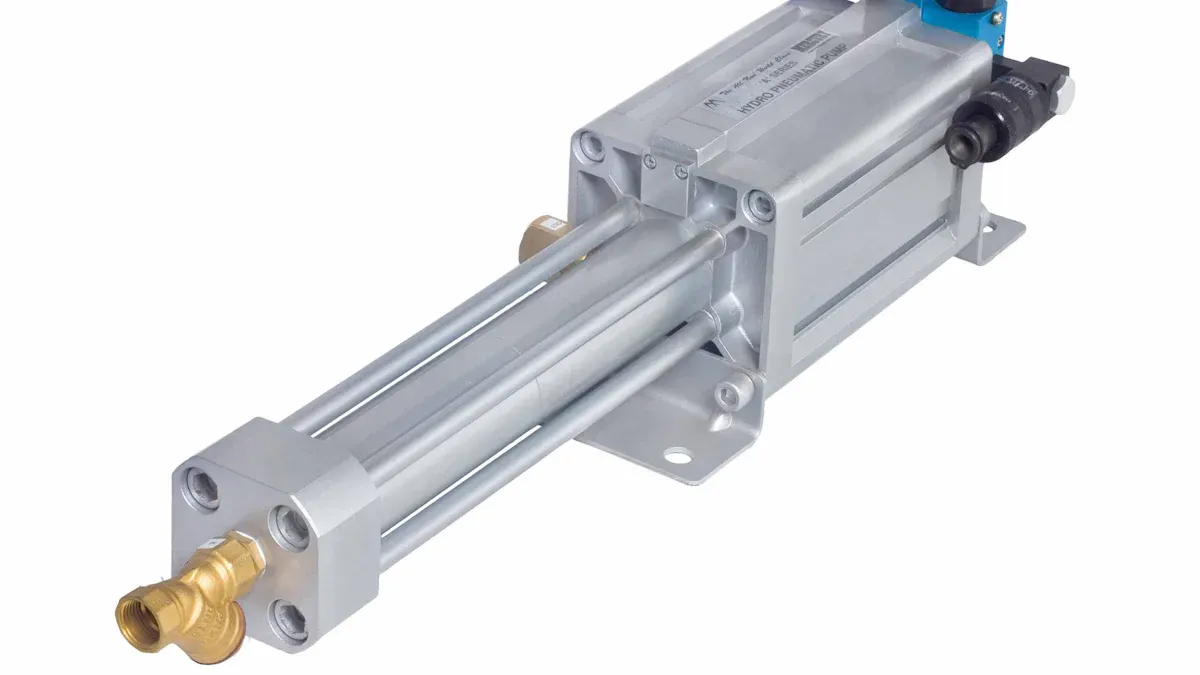
Cylinder Types And Electro-Hydraulic Units
You can pick from three main cylinder types for your hydraulic knife gate valve. A single-acting cylinder uses fluid pressure to push the gate in only one direction. When pressure drops, a spring returns the gate to its safe position. This design is simple and gives you a fail-safe setup. A double-acting cylinder uses fluid on both sides of the piston. It drives the gate open and closed with full hydraulic force. You pick this type when the valve must overcome heavy resistance in both directions.
An electro-hydraulic unit puts a small pump, motor, and fluid reservoir in one compact package. You mount this unit right on the valve. You get a self-contained system, so you do not need a central hydraulic power unit. The table below compares these options for buying and maintenance planning.
| Cylinder type | Best for | Key maintenance point |
|---|---|---|
| Single-acting | Fail-safe close or open with spring return | Check spring condition and seal wear |
| Double-acting | High thrust in both directions | Monitor fluid pressure and rod alignment |
| Electro-hydraulic | Remote or standalone installations | Change fluid on schedule and check motor |
The actuator on any knife gate valve needs clean hydraulic fluid and correct pressure. Dirt or low pressure makes the valve respond slowly and harms the seals. Check the fluid level and filter condition during every routine inspection.
Manual Override, Limit Switches, And Fail-Safe
A manual override lets you run the gate valve by hand if power or fluid pressure fails. To move the gate, you turn a handwheel or use a manual pump. This feature matters during maintenance or emergency situations. You avoid production delays when the hydraulic system goes down.
Limit switches show you the exact gate position. They send a signal to your control room when the gate is fully open or fully closed. You can confirm the valve state without looking. This feedback stops accidental flow or blockage.
Fail-safe positions protect your process when pressure drops. A spring-return actuator moves the gate to a safe state. An accumulator holds fluid pressure to close or open the valve when needed. You pick the fail-safe mode based on your safety needs. For example, a wastewater line may need a fail-closed valve to stop spills. A mining slurry line may need fail-open to protect the pumps.
These features make the hydraulic knife gate valve a reliable choice for critical isolation. You get manual control, position feedback, and automatic safety response in one package. Many methods can drive a knife gate valve, but hydraulic power gives the highest thrust and the most precise control. You need to match the cylinder type, override option, and fail-safe mode to your application. A simple inspection routine keeps all these parts working for years.
Advantages And Applications Of Knife Gate Valves
Why Choose Hydraulic Over Manual Or Pneumatic
Hydraulic actuation gives the most pushing power of all the choices. You can control the gate’s movement very precisely. The compact cylinder design takes up less space. A shorter body length means you save on material. Hydraulic units stand out because they seal reliably in abrasive media.
Manual operation works well for small lines that do not cycle often. Pneumatic or electric systems respond faster than turning a wheel by hand. But air compressors cannot match hydraulic force for their size. A regular gate valve has trouble with slurry because solids pack around the gate. The knife gate valve design fixes this with its sharp edge and full bore.
The good points of a knife gate valve include low pressure drop, tight shutoff, and the ability to cut through debris. These benefits also cover maintenance. You can swap out seats without taking the body off the pipeline.
Industries And Selection Tips
You will find knife gate valves in many industries. Mining operations use them for ore slurry and tailings. Wastewater plants depend on them for sludge isolation. Pulp and paper mills need them for fibrous stock. Petrochemical facilities handle abrasive catalysts. Marine applications require materials that resist corrosion.
TANGGONG VALVE serves these industries with solutions that work. The company started making industrial valves in 1990 in Wenzhou, Zhejiang, China. TANGGONG VALVE reports a 175,000 m² manufacturing base and makes over 300,000 valves each year. Their gate valve range holds ISO 9001:2015, API 600, API 603, CE, TUV, SGS certifications and 200+ national patents. Fire-safe designs are available per API 6FA. The Gate Valves Series includes a knife gate valve for slurry, pulp, wastewater, and mining applications. Sizes range from DN50 to DN1200. Body options include cast iron, ductile iron, and SS304/SS316. Seat materials cover metal, EPDM, NBR, and PTFE.
Match the actuator type, seat material, and fail-safe mode to your application. Follow a simple inspection routine. Check seals, fluid levels, and gate movement on a regular basis. This habit extends service life and stops unexpected downtime.
A hydraulic knife gate valve uses fluid power to push a sharp blade through your pipeline. The cylinder moves a piston, and that piston drives the knife-edge gate down to cut off flow or up to open the line. This gate valve design gives high thrust, precise control, and a compact body. You also get reliable sealing in abrasive or fibrous media.
For best results, match the actuator type, seat material, and fail-safe mode to your application. A simple inspection routine keeps your knife gate valves working for years. Check seals, fluid levels, and gate movement often. That habit protects your isolation performance and extends service life.
FAQ
How does a hydraulic knife gate valve differ from a standard gate valve?
A standard gate valve uses a flat gate that slides down to block flow. A hydraulic knife gate valve has a sharp, angled blade. This edge cuts through solids instead of pushing them to the side. The body is also shorter, which saves space in your pipeline.
Where are knife gate valves commonly used?
You will find these valves in mining, wastewater treatment, pulp and paper mills, and petrochemical plants. They handle slurry, sludge, and fibrous media that would clog other valve types. Marine and energy applications also use them for reliable isolation.
What happens if hydraulic pressure fails during operation?
A fail-safe system protects your process. A spring-return actuator moves the gate to a safe position when pressure drops. An accumulator stores fluid pressure to close or open the valve. You choose the fail-safe mode based on your safety needs.
Can you operate a hydraulic knife gate valve manually?
Yes. A manual override lets you run the gate valve by hand during power or fluid pressure loss. You turn a handwheel or use a manual pump. This feature prevents production delays during maintenance or emergencies.
How often should you inspect a hydraulic knife gate valve?
Check seals, fluid levels, and gate movement on a regular basis. Clean hydraulic fluid and correct pressure keep the valve responsive. Replace worn seats when you notice leakage. A simple routine extends service life and prevents unexpected downtime.