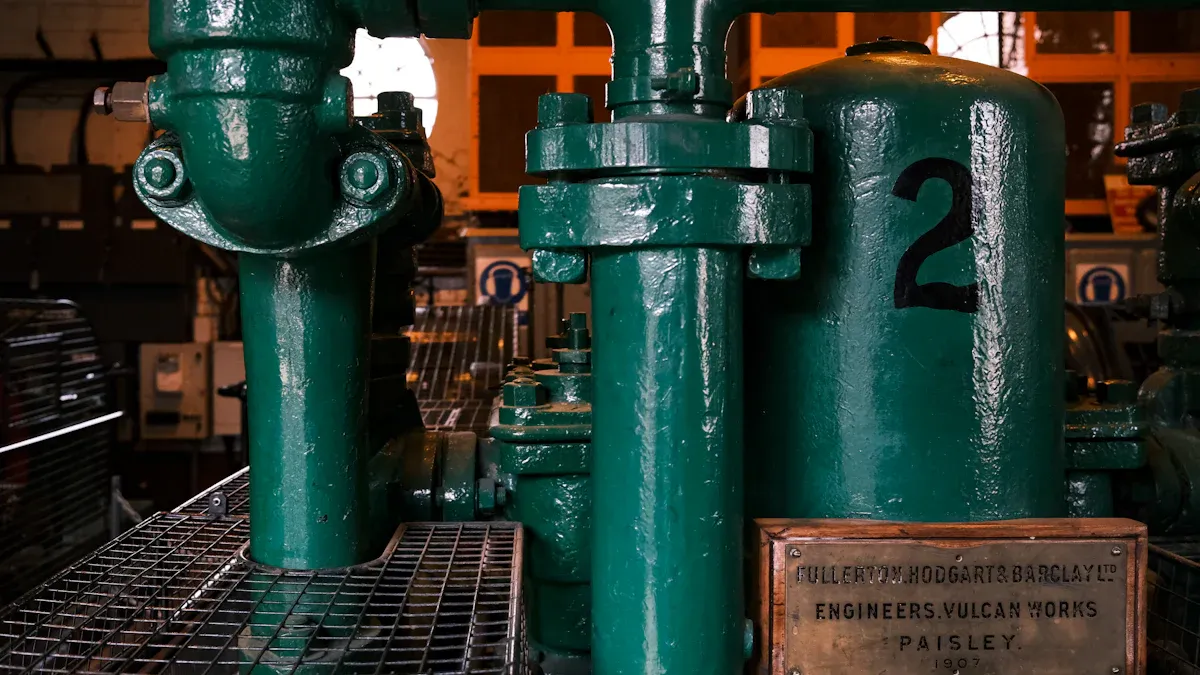
No single corrosion-resistant valve is the “best.” The right choice depends on media, temperature, pressure, size, actuation, and budget. A PTFE lined globe valve is great at precise throttling and tight shutoff in corrosive service. Lined butterfly valves, lined ball valves, plastic valves, and alloy valves each fit other needs better.
A corrosion-resistant valve protects wetted parts from chemical attack. PTFE linings handle acids, bases, and solvents where metal alone would fail. Buyers should weigh four dimensions: technical performance, application fit, regulatory compliance, and cost. Each dimension carries different weight across industries and service conditions. This comparison helps readers match valve type to their specific process.
Key Takeaways
- No one valve works best for every job. Pick the valve that fits your specific needs.
- Pick a PTFE lined globe valve when you need exact flow control in corrosive media.
- For large lines, use lined butterfly or ball valves to turn the flow on and off.
- Choose the liner and seat material that fits your chemicals and temperature.
- Think about the total cost over time, not just the purchase price, to save money in the long run.
PTFE Lined Globe Valve Basics
How PTFE Lining Protects the Body
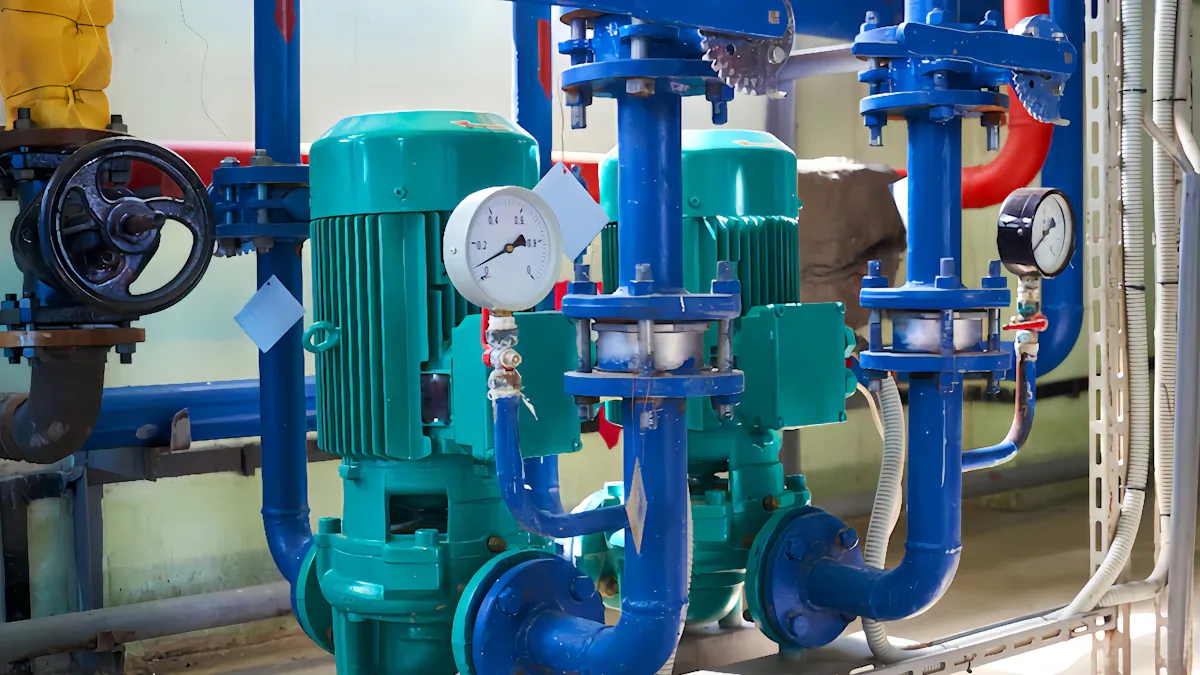
PTFE is known as the top choice for pure chemical corrosion resistance in lined valves. It stands up to acids, bases, steam, and solvents that would ruin a metal body without protection. A ptfe lining acts as a barrier: sintered PTFE, usually 2–5 mm thick, covers every wetted surface and keeps the metal away from the process fluid. The liner takes the chemical attack, so the body never touches the medium.
This barrier gives reliable corrosion protection across a wide range of service. PTFE general service runs from –196°C to +260°C, and modified PTFE (filled with carbon or glass fiber) raises pressure capability to 10 MPa at 250°C. A petrochemical globe valve with graphite/PTFE stem packing and a carbon-filled PTFE seat kept sealing steady after 500 cycles at 180°C and 4 MPa. Data like this shows how a ptfe lined valve handles corrosive chemicals with little wear.
| Configuration | Temperature | Pressure |
|---|---|---|
| PTFE-lined body (sintered liner, 2–5 mm) | –180°C to +260°C | Not specified |
| Modified PTFE (filled) | 250°C | 10 MPa |
| Globe valve, graphite/PTFE packing, carbon-filled PTFE seat | 180°C | 4 MPa |
Strengths and Limits in Corrosive Service
No other design beats the ptfe lined globe valve for throttling corrosive fluids. The globe shape allows fine, repeatable flow adjustment, and the ptfe lining keeps that precision working in highly corrosive media. Plants that handle strong acids and solvents often choose this design for dosing and control loops.
This focus comes with trade-offs. A ptfe lined globe valve is usually bulkier and heavier than a butterfly or ball valve of the same size, and the lined build adds cost. Buyers should weigh these points against the throttling job. Where the line only needs on/off isolation, other lined valves may work at lower weight and cost. The right choice still depends on the duty, and the ptfe lined globe valve remains the expert for control in highly corrosive conditions.
Lined and Unlined Valves: Key Differences
What the Lining Changes
The difference between lined and unlined valves comes down to one barrier. A lining keeps the metal body away from the media, so the process fluid only touches the liner. An unlined valve depends on the body material alone to resist attack. This barrier changes how the valve works in service.
Lined valves cost more at the start, but they give clear benefits. The protective lining stops corrosion and chemical attack, makes valve life longer, and lowers maintenance costs. A ptfe liner also handles higher temperatures and pressures than many bare body materials can. Plants that handle aggressive chemicals often pay the higher purchase price for this longer, steadier service.
When Unlined Valves Still Fit
Unlined valves are still a good choice in many lines. They usually cost less than lined valves and work well for media that is not highly corrosive, such as water distribution and HVAC systems. Unlined valves are also easier and cheaper to make, which keeps lead times and budgets predictable.
The performance differences between lined and unlined valves only matter when the duty needs them. Where media, temperature, or pressure allow, an unlined alloy or plastic valve does the job well. Unfamiliar alloys such as Hastelloy and Titanium resist severe attack, but they make upfront costs skyrocket. Lined and unlined valves therefore serve different service conditions, and matching the valve to the duty matters more than picking the premium option by default.
The Main Alternatives
Lined Butterfly and Ball Valves
A PTFE lined butterfly valve works well for large lines that need on/off service or light throttling. The disc turns a quarter turn, so the valve opens fast and takes up little space. A PTFE seat seals the disc edge against corrosive media, and the liner protects the body. Buyers who compare full lined vs partial lined PTFE butterfly valves should check which wetted surfaces have the liner, because partial coverage leaves exposed metal in some designs.
Ball valves work the same way with a quarter turn. A lined ball valve gives tight shutoff and low pressure drop, and it handles slurries better than a butterfly design in some lines. Both PTFE-lined butterfly valves and lined ball valves cost less and weigh less than a globe valve of equal size. These lined valves fit isolation duty well. They give up some fine throttling control, so control loops still favor the globe design.
Plastic Valves and Alloy Valves
Plastic valves resist corrosion well and cost little. Their pressure and temperature limits stay modest, as the table below shows.
| Material | Max Pressure | Max Temperature |
|---|---|---|
| PVC | ~150 psi at 75°F | 140°F |
| CPVC | — | 180°F |
| PVDF | up to 230 psi | — |
| PTFE | — | 300°F |
| PEEK | — | 500°F |
Plastic valves work best in chemical dosing systems, low to moderate pressure lines, and services where metal corrosion causes repeated failures. They have a smaller safety margin and react poorly to pressure spikes and water hammer. Alloy valves handle higher pressure and a wider temperature range, and they resist cyclic fatigue better. Their chemical compatibility is narrower, and unfamiliar grades raise cost sharply.
PTFE vs Other Materials
PFA, FEP, and Rubber Linings
The liner you pick decides how well a valve works in harsh service. PFA has the same chemical backbone as PTFE and is stronger. Published tensile data put PFA near 4,500 psi and FEP near 3,000 psi, while PTFE ranges from 21–35 MPa. PFA also blocks permeation better in vacuum and chlorine service, which matters when a vacuum line pulls vapors through a thin wall. FEP gives solid chemical protection but has a lower temperature limit and weaker chemical resistance than PTFE or PFA. Rubber linings fill a different role. Soft rubber suits abrasive slurries and dilute acids, and hard rubber handles stronger acids, yet neither matches fluoropolymer performance across the full chemical spectrum.
| Material | Tensile Strength | Flexural Modulus |
|---|---|---|
| PTFE | 21–35 MPa | 500 MPa |
| FEP | 23 MPa | 600 MPa |
| PFA | 25 MPa | 600 MPa |
Matching Material to Media
PTFE offers the broadest capabilities of any material you can buy. It resists acids and solvents, organic and inorganic chlorides and sulfates, bleach solutions, phenols, caustics, and peroxides, including combinations of these. There is even a dedicated product category for chlorine and bromine hoses built with PTFE, PFA, and metal, which shows how suppliers match liner to the toughest media. This breadth explains why PTFE and PFA lined valves are common in chemical and pharmaceutical service. The ptfe lining keeps the body away from chemical attack, and the valve keeps its corrosion resistance across many process streams.
Material selection should follow the media list, not habit. A buyer comparing ptfe, epdm, nbr and viton seat material comparison charts will see that each elastomer covers a narrower band of chemicals than PTFE. Rubber wins where abrasion dominates and chemical attack stays mild. FEP fits moderate temperatures and less aggressive fluids. PFA suits vacuum and chlorine duty. In moderate-temperature applications, lined valves can match high-alloy performance at lower installed cost, so the liner often delivers alloy-grade corrosion protection without the alloy price. The sealing material and liner must both match the process, because a correct liner with the wrong seat still fails. Engineers should confirm compatibility for every wetted part before release. This ptfe vs other materials review shows one clear pattern: match the liner to the media, the temperature, and the pressure, and the valve will hold up.
Technical Performance Compared
Corrosion, Temperature, and Pressure
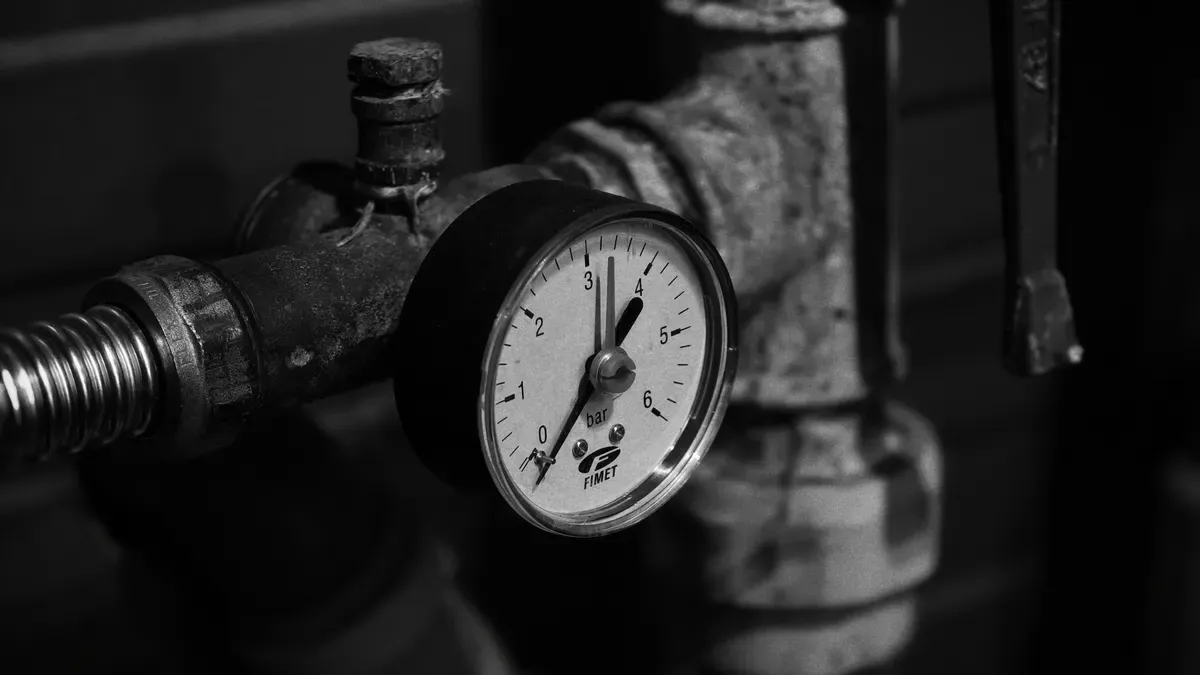
Corrosion resistance is the biggest thing that sets these valve families apart. A ptfe lined globe valve protects its body from chemical attack across many acids, bases, and solvents. Lined valves in general keep that barrier at moderate temperatures and pressures. Plastic valves resist many of the same corrosive media, but their service window gets smaller at the top end. The table below shows the published limits for common plastic bodies.
| Valve / Material Type | Temperature Range | Pressure Limit |
|---|---|---|
| Molded thermoplastic valves | -40°F to 300°F | up to 230 psi |
| PVC | 32°F to 140°F | N/A |
| CPVC | up to 195°F | N/A |
| Polypropylene (PP) | -4°F to 195°F | N/A |
| PVDF | -40°F to 250°F | N/A |
Special alloys and lined valves (PTFE-lined, Hastelloy, duplex stainless) suit slurry service, aggressive chemicals, or extreme temperatures.
Above 230 psi or 300°F, composite, lined steel, or metal alloy valves become the practical choice. Lined valves also give bubble-tight Class VI sealing, a level that bare metal seats rarely reach.
Flow Control and Shutoff
Flow control calls for a different comparison. The globe design is still the strongest throttling option of the three common types. Contoured plug trim gives about 50:1 rangeability as a standard figure, and equal-percentage trim pushes rangeability to 50:1 or even 100:1. A ptfe lined butterfly valve falls behind here: the standard centric design offers about 20:1 rangeability and acts poorly below 20° or above 70° of disc travel. A standard ball valve throttles poorly in the 30–60% open range, though a V-port ball can reach up to 300:1.
Shutoff class tells a similar story. A ptfe seal or other resilient soft seat makes repeatable Class VI leakage possible; bare metal seats cannot reach it. PTFE-seated ball valves achieve Class VI by design, and ptfe-lined butterfly valves with resilient seats also reach Class VI for bubble-tight gas isolation. Globe valves usually land at Class IV–V and need a soft disc insert to reach Class VI. Class VI testing uses air or nitrogen at roughly 50 psi differential with the outlet submerged, and leakage counts in bubbles per minute per ANSI/FCI 70-2 Table I.
Buyers comparing lined and unlined valves should match the duty to the design. Quarter-turn valves win on space and cost for isolation. The ptfe lined globe valve wins wherever a loop needs fine, repeatable adjustment in corrosive service, and its reliable sealing under throttling keeps control stable. Corrosion resistance, rangeability, and shutoff class together point to the right body style for each line.
Application Fit and Control Valves
Media, Size, and Actuation
Line size quickly narrows down your choices. A PTFE lined globe valve usually covers DN25 (1″) to DN100 (4″) at 150# / PN10 / PN16. This makes it a good fit for smaller corrosive lines that need control. Lined butterfly valves go from NPS 2 to 24 (DN 50 to 600), with a maximum allowable operating pressure of 150 psi (10 Bar). PTFE lined butterfly valves range from 2″ to 24″ at 200 psi. So large headers work better with a quarter-turn design, while tight control loops work better with the globe body.
Actuation depends on the job. Manual handwheels work for adjustments that don’t happen often. Pneumatic and electric actuators fit automated loops that move the stem a lot. If you are learning how to select a ptfe-lined butterfly valve, check that the actuator torque matches the seat friction at the working pressure. The same rule applies to any body style: match the operator to how often it cycles and what utilities your plant has.
TANGGONG VALVE Control Valve Solutions
TANGGONG VALVE makes power-operated control valves for continuous throttling in corrosive media. The range covers DN15–DN600 and Class 150–2500, with temperatures from -196°C to +650°C. Cage-guided trim shapes the flow path to reduce noise and fight cavitation, and the design meets ANSI/FCI 70-2 shutoff classes. Buyers get free IEC 60534 sizing consultations, so the chosen trim matches the process data instead of a catalog guess.
These valves work with pneumatic diaphragm, pneumatic piston, electric motor, and hydraulic actuators. Control signals include 4–20 mA, 0–10 V, HART, Modbus, and Profibus PA/DP. This means a plant can use one valve family across refining, petrochemical, and power duty without rebuilding its control setup. The ptfe option extends that fit to harsh streams, and the lined body keeps the metal shell away from the fluid.
Regulatory Compliance Compared
Standards and Certifications
Compliance starts with a short list of standards every buyer should check. API 598 covers isolation valve testing, including seat leakage and body shell testing. The valve must pass a high-pressure test at 110% of maximum cold working pressure. It must also pass a low-pressure test that confirms sealing under minimal pressure. ANSI/FCI 70-2 and IEC 60534-4 work together and share the same leakage classes and protocol. ISO 9001:2015 confirms a working quality system. CE and SGS marks show the product meets the market’s safety and testing expectations.
The leakage classes themselves tell buyers what to ask for. Classes II through IV are defined as a percent of rated valve capacity, and Class IV equals 0.01% of rated flow. Classes V and VI use maximum allowable leakage rates from the standards’ tables, which vary by seal material. Class VI is measured in bubbles per minute, such as up to 3 bubbles per minute for a 2-inch valve. Class I is not standardized; the customer and vendor agree on the rate.
| Standard / Class | Test Medium | Allowable Leakage | Seat Type / Notes |
|---|---|---|---|
| API 598 (soft-seated) | Water / Air | 0 drops of water or 0 bubbles of air per minute | Soft-seated valves |
| API 598 (metal-seated) | Water | A small permitted number of drops per minute, depending on valve size | Metal-seated valves |
| ANSI/FCI 70-2 Class IV | — | 0.01% of rated flow | Industry standard for metal-to-metal seating |
| ANSI/FCI 70-2 Class VI | Air or Nitrogen | Measured in bubbles per minute | Soft-seated valves; closest to zero leakage |
Compliance by Valve Type
Compliance needs vary by valve type and region. A ptfe lined globe valve in chemical service usually needs API 598 testing and a declared ANSI/FCI 70-2 class, because control loops demand proven shutoff. Lined butterfly and ball valves follow the same standards, yet buyers should confirm the test medium matches the seat material. Plastic valves often carry lighter documentation, and alloy valves may need additional material certificates for regional codes.
TANGGONG VALVE holds ISO 9001:2015, CE, TUV, SGS, API 6D, and API 607 certifications. These cover quality management, product safety, third-party inspection, and fire-safe testing for quarter-turn valves. Buyers should still check that the certificate scope matches the ordered valve and the destination market. A certificate for one product line does not automatically cover another, so the purchase order should name the standard, the class, and the test report required.
Cost Compared
Initial Cost and Maintenance
Purchase price is the first thing that separates these valve families. Plastic valves have the lowest sticker price, and alloy valves have the highest. A PTFE lined globe valve falls in between, but it gives high-alloy corrosion resistance at a much lower installed cost in moderate temperatures. That gap matters on large projects, where the alloy premium adds up across hundreds of units.
Maintenance spending follows a different pattern. Plastic bodies resist chemical attack well, but they crack under pressure spikes and water hammer, so they need replacing more often. Alloy valves last a long time in severe duty, and their repair parts cost the most. Lined valves need liner checks at planned shutdowns, and a damaged liner usually means a full replacement. So each option trades purchase price against repair frequency, and that trade shifts with the duty.
Lifecycle Cost Considerations
Purchase price alone can mislead you. Lifecycle cost weighs service life, maintenance intervals, and process uptime together. A valve that fails mid-batch stops production, and downtime often costs more than the valve itself. A cheap body with a short service life can drain a budget through repeated swaps and lost output.
Buyers should estimate how long each option lasts in their specific media and how often it needs attention. Lined valves often win here in moderate-temperature chemical service, because the liner shields the body from corrosion and stretches the replacement interval. Alloy valves win where temperature or pressure rules out a liner. Plastic valves win in low-pressure dosing lines where simplicity beats longevity. The cheapest valve is the one that stays in service, so the calculation should cover the full operating life, not just the purchase order.
The PTFE lined globe valve is the top pick for controlling flow and shutting off tight in corrosive service. Other valves win on space, weight, cost, or simplicity in certain cases. A PTFE lined butterfly valve works well for large isolation lines, and quarter-turn lined valves save room.
Readers should weigh four priorities: performance, fit, compliance, and cost. The summary table above works as a quick decision guide. Corrosion resistance alone does not make the choice. The PTFE liner, the seat, and the media must all match. Ask a valve specialist when conditions are borderline or combined, such as high temperature plus aggressive media, where resistance and sealing behavior affect each other.
FAQ
When should a plant choose a lined globe valve over a lined ball or butterfly valve?
A lined globe valve works best in control loops that need fine, repeatable throttling in corrosive media. Lined ball and butterfly valves are good for on/off isolation, large line sizes, and tight spaces. The job decides: control favors the globe body, and isolation favors the quarter-turn designs.
What temperature range does a PTFE lining handle?
PTFE general service runs from –196°C to +260°C. Modified PTFE with carbon or glass filler raises pressure capability to 10 MPa at 250°C. Buyers should check the liner grade and seat material against their actual process temperature and pressure before ordering.
Can a lined valve replace an alloy valve?
In moderate-temperature applications, lined valves can match high-alloy corrosion resistance at lower installed cost. Alloy valves still win where temperature or pressure rules out a liner. The media list, temperature, and pressure together decide whether the liner or the alloy is the right barrier.
When do plastic valves make more sense?
Plastic valves fit chemical dosing systems and low to moderate pressure lines. Their pressure and temperature limits stay modest, and they react poorly to pressure spikes and water hammer. Where the duty stays inside those limits, plastic bodies resist corrosion at low cost.
What should a purchase order specify for a lined valve?
The order should name the standard, the shutoff class, and the test report required. API 598 testing and a declared ANSI/FCI 70-2 class give buyers proof of seat tightness. The certificate scope should match the ordered valve and the destination market.