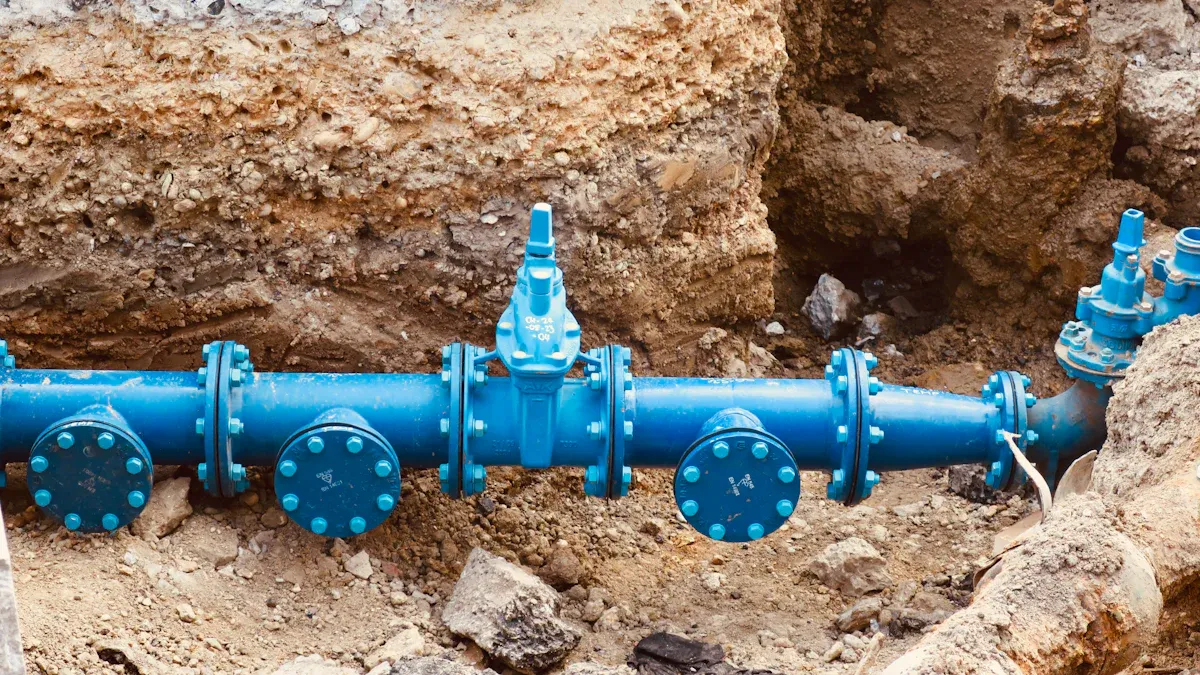
Water treatment plants, wastewater facilities, hydroelectric stations, irrigation districts, and industrial water systems all rely on penstock gate valves. These valves act as the main shutoff devices in those settings. A penstock gate valve is a heavy-duty gate that slides up and down to start or stop water flow in a pipe or channel. It works much like a gate in a fence: open it, and water moves; close it, and water stops. Each application below comes with practical reasons and familiar examples from real plants. Readers will see how the same basic valve handles very different jobs.
Key Takeaways
- Penstock gate valves work as the main shutoff devices. They slide up to start the water flow and slide down to stop it.
- These valves give dependable shutoff during maintenance. Workers can make dry, safe work areas for repairs.
- Penstock gate valves last a long time in tough conditions. Stainless steel and materials that resist corrosion fight off rust and wear.
- The valves are easy to work with using basic tools. Manual models do not need power, which makes them good for remote locations.
- Plants often use gate valves together with control valves. The gate valve handles on/off isolation, and the control valve makes fine flow adjustments.
Penstock Gate Valves in Water Treatment
Isolation During Maintenance
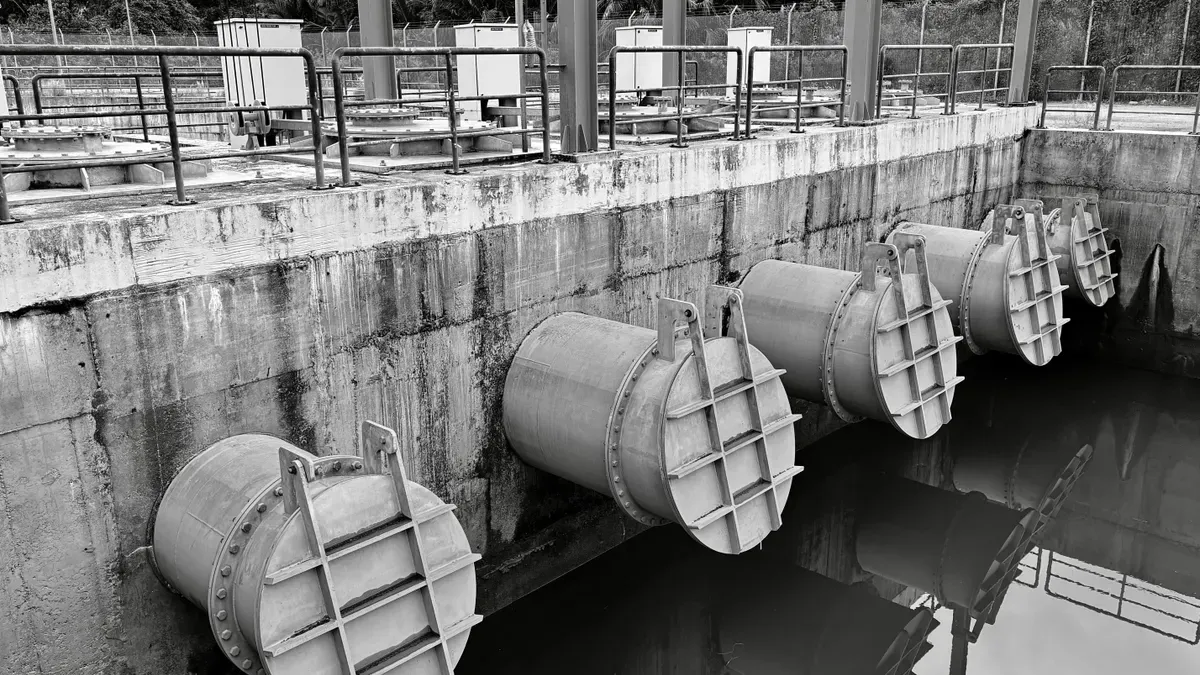
Waterworks crews count on penstock gate valves to control flow and to shut off parts of the supply network. A plant cannot drain a line or open a pump housing while water keeps pushing through it. The gate slides down, seals the passage, and gives the crew a dry, safe work area.
Think of a pump that needs a new seal. The maintenance team closes the gate upstream and downstream of the pump first. Water stops moving through that stretch of pipe. Workers then drain the section, unbolt the housing, and replace the worn part. The same routine applies to repairs on filters, clarifiers, and metering equipment. New installations follow a similar pattern. Crews isolate the tie-in point, cut and weld the new pipe, and restore flow once the joint passes inspection.
Rerouting Water Flow
Plants rarely shut down completely for a repair. Operators instead send water around the work zone through a parallel line. A penstock gate valve makes this switch simple. Close one gate to block the normal path, open another to let flow into the bypass, and the plant keeps serving customers while the crew works.
A familiar example is a transmission main under repair. Operators send flow into a secondary main, and the community never loses pressure. Treatment plants use the same idea during filter backwashing or basin cleaning. The valve acts as a traffic signal for water, directing it where the plant needs it. Simple operation matters here. A worker can open or close the gate with basic tools and no special training, and the valve holds its position until someone moves it again.
Wastewater and Stormwater Applications
Municipal and Industrial Wastewater
Wastewater plants move a lot of dirty water. They need valves that keep working when the flow carries grit, rags, and solids. Penstock gate valves fill that role in city treatment plants and in factory wastewater systems. Operators use them to isolate basins, control flow between process stages, and shut down lines for cleaning or repair.
Settling tanks and aeration tanks often use a flush bottom design. The closing plug sits flush with the tank floor. When the valve opens, the plug lifts straight up and clears the flow path completely. The drain opening becomes a large, open round passage. Heavy sludge and settled solids drop straight down by gravity instead of catching on the mechanism. This design stops clogging and lets crews flush the tank fast and fully. That restores tank capacity and keeps the treatment process running. Fish farms and environmental protection projects also rely on these valves for the same reasons: dirty water, steady duty, and no room for a valve that sticks.
Flood Control and Drainage
Flood control and drainage systems depend on penstock gate valves as permanent water gates. These valves control and isolate flow in drainage networks, sewage treatment plants, and flood control systems. Their benefits are practical and easy to see:
- Corrosion-resistant construction, such as stainless steel and corrosion-resistant alloys, gives long-term durability in harsh environments.
- Low or no maintenance needs lower operating costs.
- Strong construction and quality materials deliver reliable performance.
- Precise operation allows smooth flow control, which reduces leakage and improves water management efficiency.
- Custom sizes, materials, and operating mechanisms fit specific projects.
- Quick, easy installation and maintenance keep crews productive.
Flap gate variants add another layer of protection. A round flap gate opens and closes on its own with changes in water pressure, which prevents reverse flow. That action protects downstream areas from flooding and water damage. These gates suit stormwater management, drainage systems, wastewater treatment, and flood control. They come in various sizes to match different flow capacities.
Hydroelectric Power and Control Valves
Controlling Water to Turbines
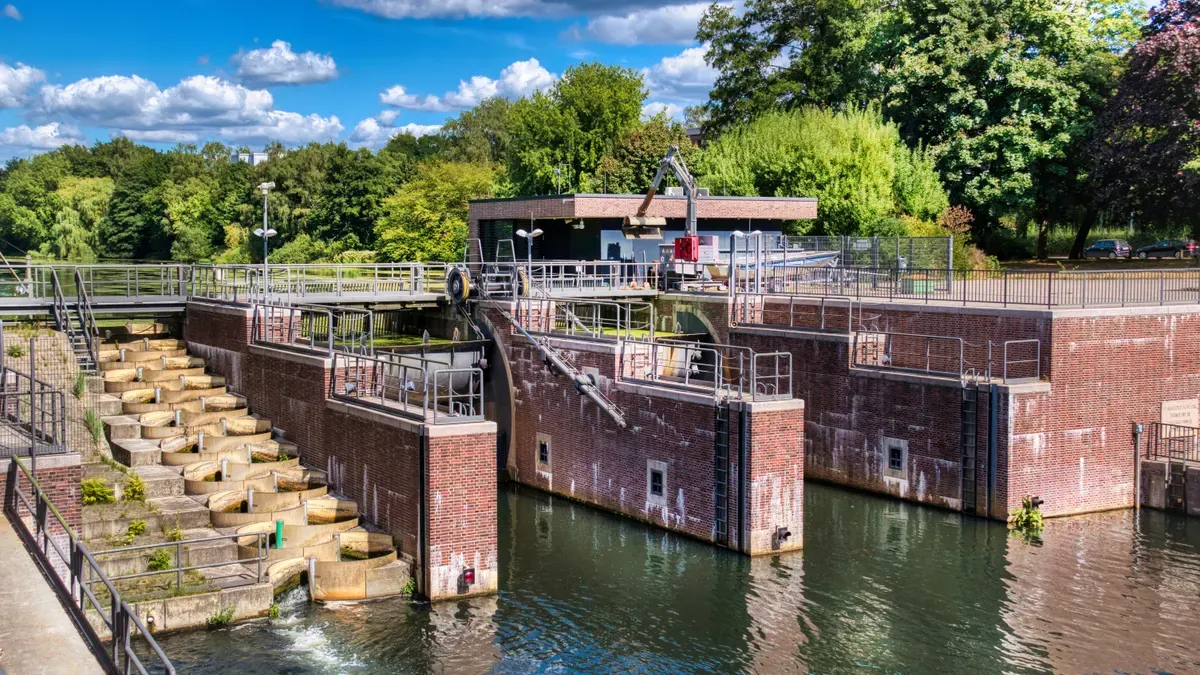
A hydroelectric station sends water downhill through a large pipe called a penstock. That water spins a turbine, and the turbine turns a generator. The penstock gate valve sits on this path as the main on/off device. Operators open the gate to start flow to the turbine and close it to stop flow. The gate moves slowly and smoothly, which protects the pipe from pressure surges.
The gate does one job well: it fully opens or fully closes. Some stations also need fine control of flow during normal running. That is where a control valve helps. TANGGONG VALVE builds control valves that throttle flow continuously and hold a set position. A plant can pair the gate for isolation with a control valve for modulation.
The difference is simple. Isolation means fully open or fully closed, like a light switch. Modulation means partly open at many positions, like a dimmer. Workers should know which valve does which job before they touch anything.
Safety and Shutdown Benefits
Safety is the main reason a hydro site chooses a penstock gate valve. When a turbine trips or a crew needs to inspect the runner, the gate closes and stops water from reaching the equipment. Workers then enter a dry, safe area. The gate holds its position without power or constant attention, so a shutdown stays stable.
These valves also protect the system during emergencies. A fast, full closure isolates the turbine from the reservoir and limits damage. Maintenance crews depend on this reliable shutoff for inspections, repairs, and seasonal outages. The gate needs little upkeep and works with basic tools. That simplicity keeps the station ready and the crew safe.
Irrigation System Penstock Gate Valve Uses
Regulating Water Distribution
Irrigation networks always face one challenge: sending the right amount of water to the right place without losing any on the way. A penstock gate valve lets operators control that balance directly. Crews open the gate partway to send a measured flow down a canal. They close it fully to stop water from entering a field that already has enough. This control supports several everyday goals:
- Precise water allocation across irrigation networks
- Efficient distribution of water flow
- Prevention of water wastage
- Controlled water levels in pumping systems
The valve’s design allows accurate flow regulation, which makes the best use of water resources and cuts waste. That precision matters most when supply runs low. A farmer at the end of a long channel needs a fair share, and a gate that holds its position delivers it. Operators also use these valves to fill and drain pumping stations in steps, so the pumps never run dry or flood.
Durability in Outdoor Conditions
Irrigation valves live outdoors. They face sun, rain, frost, mud, and long stretches with no attention at all. A penstock gate valve handles this life well because of its simple, sturdy build. The gate slides in a fixed frame with few moving parts, so there is little to wear out or jam. Stainless steel and corrosion-resistant alloys resist rust and keep the sealing surfaces clean season after season.
Maintenance stays simple, too. A worker can inspect the gate, clear debris from the frame, and cycle the valve with basic tools. Manual models need no power supply, which suits remote canals and field turnouts far from any control room. When a gate does need service, crews can reach the mechanism without draining the whole channel. That durability and easy access keep water flowing through the growing season, when a stuck valve can cost a crop.
Industrial Water Management and TANGGONG VALVE
Cooling and Process Water Control
Industrial plants use a lot of water for cooling and for process work. A penstock gate valve controls that water at key points in the system. Power station cooling water inlets are a common spot for these valves. They give a bi-directional, leak-tight seal using elastomeric seals such as EPDM, NBR, or Neoprene. The seal holds under both seating and unseating head pressures. Workers can run the valve with a manual handwheel, a bevel gearbox, an electric actuator, or a pneumatic or hydraulic cylinder. That flexibility lets a plant automate flow control where it makes sense.
Nuclear plants also rely on gate valves in cooling water systems and other safety-critical circuits. Marine cooling systems use them to control seawater or freshwater for engines and generators. In each case, the valve links outside equipment to the main system and sets the flow logic. A crew can isolate a cooling loop for repair, then bring it back without draining the whole plant.
Globe valves control flow by moving a disc against a seat, which allows small flow adjustments. In boilers and cooling water circuits of power plants, careful throttling prevents thermal stress and improves turbine efficiency.
Why They Beat Other Valves
Penstock gate valves win in these settings for three simple reasons. First, they shut off reliably. The gate slides fully into the seat and stops flow, so crews get a dry line for maintenance. Second, they last. A corrosion-resistant stainless steel frame and slide gate with low-friction guide rails keep the valve working with little maintenance. Third, they are easy to run. A worker needs only basic tools to cycle the valve, and it holds its position without power.
Some plants need more than on/off control. They need to throttle flow and hold a set point. TANGGONG VALVE builds control valves for exactly that job, and a plant can pair them with penstock gate valves to cover both isolation and modulation. The gate handles shutoff, and the control valve handles fine adjustment. Together they keep cooling and process water steady all year.
Water treatment, wastewater and stormwater, hydroelectric power, irrigation, and industrial water management all rely on the same basic device. Each setting uses a penstock gate valve for a slightly different job, but the reasons stay the same. Workers pick these valves for reliable shutoff, durability, and simple operation in water-heavy settings. Control valves handle modulation when a plant needs fine flow adjustment. The next time a worker walks through the plant, they can look for these valves along the pipes and channels. Spotting one raises a good question: which application fits this spot, and does the valve isolate flow or regulate it?
FAQ
What does a penstock gate valve do?
It acts as a heavy-duty shutoff device for water in pipes and channels. The gate slides up to start flow and down to stop it. Workers use it for isolation during repairs, flow rerouting, and emergency shutdowns. It stays fully open or fully closed, much like a light switch.
How does a penstock gate valve differ from a control valve?
A penstock gate valve handles on/off isolation only. A control valve throttles flow continuously and holds a set position. Plants often pair the two: the gate provides tight shutoff, and the control valve handles fine adjustment. Workers should know which valve does which job before touching either one.
Why do settling tanks use flush bottom penstock valves?
The flush bottom design places the closing plug level with the tank floor. The plug lifts straight up and clears the whole flow path. Sludge and settled solids drop straight down by gravity instead of catching on the mechanism. This design stops clogging and lets crews flush the tank fast and fully.
How do workers operate a penstock gate valve?
Many models run on a manual handwheel or a bevel gearbox. Plants can also fit electric actuators or pneumatic and hydraulic cylinders for automated control. Manual models need no power supply, which suits remote canals and field turnouts. Basic tools cover most inspection and cycling tasks.
What materials make these valves last outdoors?
Stainless steel and corrosion-resistant alloys resist rust and keep sealing surfaces clean. Elastomeric seals such as EPDM, NBR, or Neoprene give a leak-tight seal under both seating and unseating pressures. The simple frame and few moving parts leave little to wear out or jam.