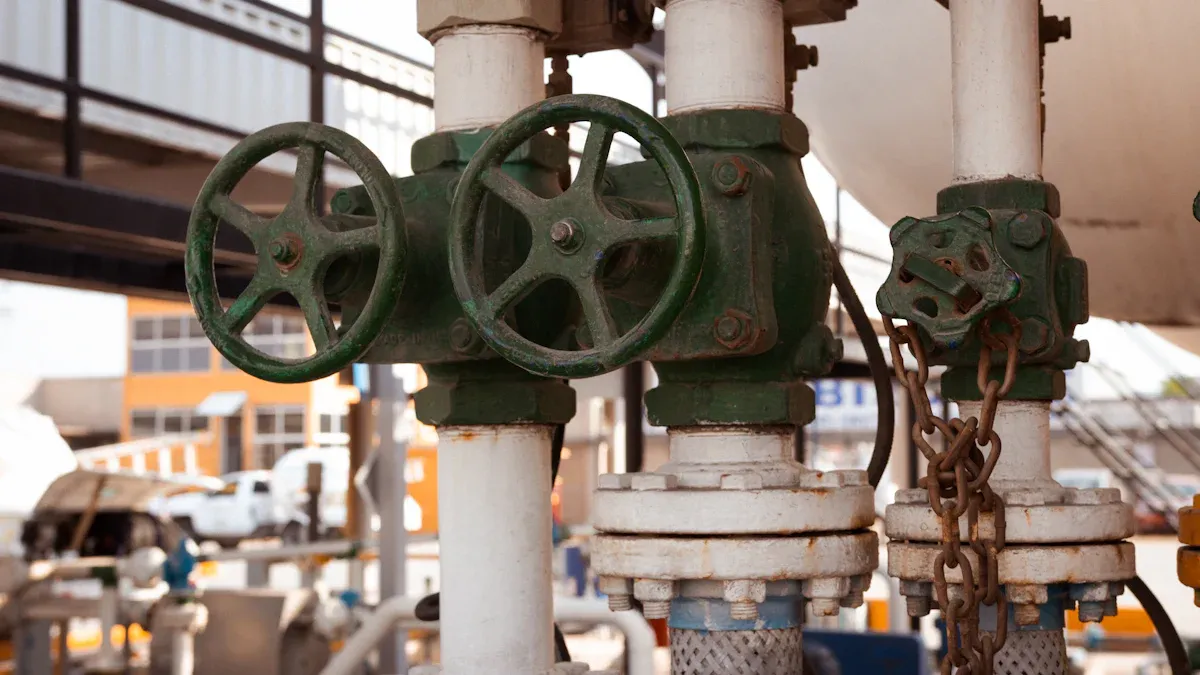
A control valve manufacturer makes valves in its own factory and controls every step of production. A control valve supplier resells valves that other manufacturers make. This difference affects quality control, cost, customization, technical support, and reliability. Direct ownership means steady testing, strict tolerances, lower cost, and quick accountability when problems come up.
Suppliers add logistics and application matching, but they do not offer deep technical support. Buyers who need custom trim, special materials, or certified performance should work directly with the manufacturer. Companies that need standard replacements may find a control valve supplier convenient. Knowing this difference prevents mismatched expectations and costly downtime. That difference drives every buying decision.
Key Takeaways
- A manufacturer builds valves in its own factory and controls the quality, cost, and custom options.
- A supplier sells valves made by other companies. They offer fast service and many choices for standard replacements.
- For your critical or custom valve needs, pick a reliable and responsible manufacturer.
- Pick a good supplier for regular, safe replacements to save time and money.
- Always check a source by looking at its production footprint, certifications, and field records.
Defining Manufacturer and Supplier Roles
The valve industry has two different business models. One company makes the product from raw material to finished goods. Another company buys that finished product and moves it to the end user. Each model serves a purpose, but they give very different levels of control, accountability, and technical depth.
What Is a Control Valve Manufacturer?
A control valve manufacturer owns the factory and runs every production stage. The process starts with engineering design, where teams pick body geometry, trim characteristics, and actuator compatibility for a given application. From there, the manufacturer machines the body and trim parts, puts the valve together, and tests the finished unit against published standards.
This ownership matters because the manufacturer controls tolerances at each step. A machining error gets caught before assembly. A test failure leads to a root-cause review inside the same facility. The manufacturer can trace a defect back to a certain batch of raw material or a certain machine operator. That traceability supports fast corrective action and steady output across large orders.
TANGGONG VALVE represents this model. The company runs a 175,000 m² plant in Wenzhou, China, and makes control valves tested to ANSI/FCI 70-2 and API 598. Its engineering team has 80 senior and intermediate engineers who handle application-specific trim design, material selection, and actuator sizing. A manufacturer with this depth can adjust a valve for high-temperature service, cavitating flow, or a corrosive process fluid without relying on a third party.
What Is a Control Valve Supplier?
A control valve supplier resells valves made by other companies. The supplier usually holds inventory, manages logistics, and helps buyers match a standard product to a basic application. Some suppliers add value through fast delivery, local stock, or multi-brand sourcing. A buyer who needs a common valve in a hurry may find a supplier useful.
The supplier model has limits. The supplier does not control the production process. It cannot change a trim profile, adjust a test protocol, or investigate a manufacturing defect at the source. When a valve fails in the field, the supplier must contact the original manufacturer for answers. That extra link in the chain slows down problem-solving and blurs accountability.
A control valve supplier also has less technical depth. The supplier’s team may know product catalogs well, but they rarely employ engineers who can run sizing calculations to IEC 60534 or diagnose cavitation damage from a distance. For standard, low-risk replacements, that gap may not matter. For critical service, it often does.
The core distinction comes down to control. A manufacturer controls design, production, testing, and technical support. A supplier controls inventory and delivery. Buyers who understand this difference can match their sourcing strategy to the actual risk and complexity of the application.
Quality, Cost, and Accountability
Production Ownership and Quality Control
When a company makes its own valves, it controls every step. The same plant does machining, assembly, and testing, so quality stays even for big orders. Because one team handles design and production, order changes can be made quickly. Buying from outside suppliers is a different story. Many suppliers create differences in precision, and no single party owns the final quality.
This gap shows up in the data. A maker with direct production can provide proof of quality on every order, and it tracks delivery and quality together. Outsourced castings often lack this same control. In one comparison, a ball-valve made in-house lasted 70,000–100,000 cycles on average. Some brands with outsourced castings only lasted 30,000–50,000 cycles. The manufacturer is more reliable for long-term supply. A distributor cannot promise steady supply across many orders the way a factory can.
Testing rules also support this idea. TANGGONG’s Wenzhou plant covers 175,000 m² and makes control valves tested to ANSI/FCI 70-2 and API 598. Under ANSI/FCI 70-2, Class V and Class VI certificates must list test pressure, test medium, test duration, and observed leakage rate. API 598 gives a pass/fail result based on nominal size and seat material. These records prove that a valve meets its selected leakage class during production acceptance testing.
Price and Total Cost of Ownership
At the quote stage, a supplier’s price often looks lower. That advantage fades over the valve’s service life. Reseller markups add cost without adding production value. A manufacturer sells straight from the factory. The buyer then pays only for engineering, machining, and testing, rather than for a reseller’s margin.
Total cost is more than the purchase price. It includes maintenance, downtime, how often replacements are needed, and technical support. A valve that lasts longer needs fewer replacements. A manufacturer that controls production can find the cause of a defect and fix it fast. That speed cuts unplanned shutdowns. Buyers who look only at the first quote miss these long-term savings. Direct sourcing usually gives better value for critical service.
Customization and Technical Support
Engineering Customization Capabilities
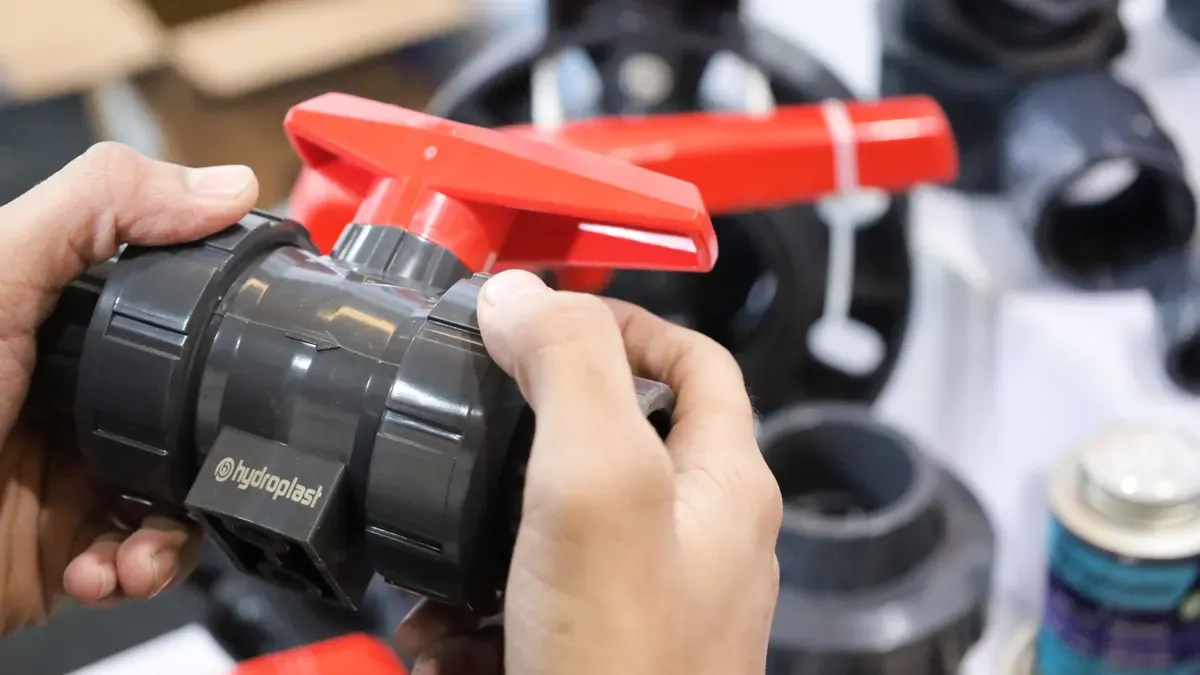
Standard catalog valves hardly fit every process. High-temperature service, corrosive fluids, and cavitating flow need application-specific trim, actuators, materials, and control signals. A true manufacturer designs these variables together instead of making a buyer accept a one-size-fits-all product.
TANGGONG control valves cover a wide engineering range. The table below sums up the core customization options.
| Capability area | Details |
|---|---|
| Valve type | Globe valves with linear flow-control features |
| Size range | DN15 to DN600 (1/2 to 24 inches) |
| Pressure rating | ASME Classes 150, 300, 600, 900, 1500, and 2500 |
| Materials | Carbon steel, stainless steel, alloy/duplex steel, Monel, and Stellite hardfaced trim/seats |
| Actuation | Handwheel, gear, electric, or pneumatic actuators |
| Custom engineering | Contact experts for customized valve solutions |
Actuator selection plays a key role in matching a valve to its control loop. Three main linear actuator types serve dry bulk solid processing valves: pneumatic, hydraulic, and electric. Each type turns a control signal into stem position in a different way, so the choice affects response speed, fail-safe behavior, and installation requirements.
TANGGONG Control Valve Support
TANGGONG backs its control valves with documented quality systems and third-party verification. Shop teams build hardware under ISO 9001:2015, CE, and SGS quality rules. Approved builds carry SIL safety ratings for vital process loops. The valves are tested to ANSI/FCI 70-2 shutoff standards across Class IV, Class V, and Class VI, and they comply with IEC 60534 sizing calculations. Fire-safe designs meet API 607, and third-party inspection by TUV, SGS, or DNV is available for specific projects. The company holds more than 200 national patents.
Technical support goes beyond the certificate. TANGGONG offers free valve sizing consultations based on IEC 60534 standards. Engineers review process fluid properties, flow rate range, upstream and downstream pressures, temperature, and allowable pressure drop before recommending a trim profile. This service helps buyers avoid cavitation damage, excessive noise, and premature trim wear. A manufacturer that runs its own plant can also trace a field issue back to a specific production batch and correct it quickly.
How to Verify a True Manufacturer
Production Footprint and Capacity
Buyers should ask for the plant’s physical address. They should also request a live video tour or visit in person. A real factory has a fixed production floor, machining centers, assembly bays, and a test bench. A trading office just has desks and a warehouse. You will spot the difference quickly during a tour.
Output capacity gives you a second way to check. A true manufacturer shares its monthly and annual production numbers right away. The benchmark figures below help tell a real factory apart from a reseller.
| Metric | Benchmark value |
|---|---|
| Production footprint | 27,500 m² facility |
| Annual output capacity | ~90,000 valves/year |
| Supporting monthly capacity | 8,000 valves/month |
A supplier rarely hits these numbers because it does not own the machines. TANGGONG runs a 175,000 m² plant in Wenzhou and makes about 300,000 industrial valve units each year. That scale supports large orders, steady lead times, and in-house testing on every batch.
Certifications and Field Records
Certificates show that an independent body has audited the factory. Buyers should ask for the actual documents, not marketing badges. Three credentials matter most for control valve sourcing.
| Certification | What it evidences |
|---|---|
| ISO 9001:2015 | End-to-end quality management system covering production, testing, and process control |
| CE (2014/68/EU) | EU conformity certification for pressure equipment and safety compliance |
| SGS Verified Supplier | Independent SGS audit of factory capacity, production capability, and company background |
Field records complete the picture. A manufacturer should share installation lists, reference projects, and service history across different industries. TANGGONG holds ISO 9001, CE, and SGS certifications, along with more than 200 national patents. Its valves run in over 35 countries. Buyers can contact past clients and confirm real performance. A supplier that cannot name a single end user or plant site is reselling, not manufacturing.
Choosing Manufacturer vs Supplier
The best source for a valve depends on the job. Buyers must weigh long-term value, reliability, and risk. A plant that runs all day with dangerous fluids needs a different choice than a site replacing a standard valve in a line. The key question is whether the job is critical or routine.
When a Manufacturer Is the Right Fit
A manufacturer is the right fit for custom work. Tough process conditions like high pressure, extreme heat, corrosive fluids, or cavitating flow need a valve built for that exact job. A distributor cannot change a trim design or swap seat material. A manufacturer can. It owns the engineering team, the machining shop, and the test bench, so it can handle unique specs quickly.
Before picking a source, buyers should check a clear list of criteria.
- Facility process conditions set the needed valve design. Pressure, temperature, flow rate, and fluid traits are the starting point.
- Certifications and compliance show quality that has been tested. Look for API, ASME, ISO 9001, CE Marking, and ATEX documents.
- Technical expertise matters. Can the source do valve sizing, flow simulation, or troubleshooting for cavitation, erosion, and flashing?
- Reputation and experience give a safety net. Years in business, main industries served, global projects, and client reviews show real performance.
- Delivery time and reliable supply affect uptime. Check lead times, stock on hand, and local warehouses.
- Total value means more than the unit price. Think about pre-testing, warranty coverage, on-site installation help, and after-sales spare parts.
Field records separate a true manufacturer from a reseller. Buyers should ask for the installations that have run the longest, not just the newest references. The chart below shows example project numbers in four regions. Each job is different, so the track record must fit the new application.
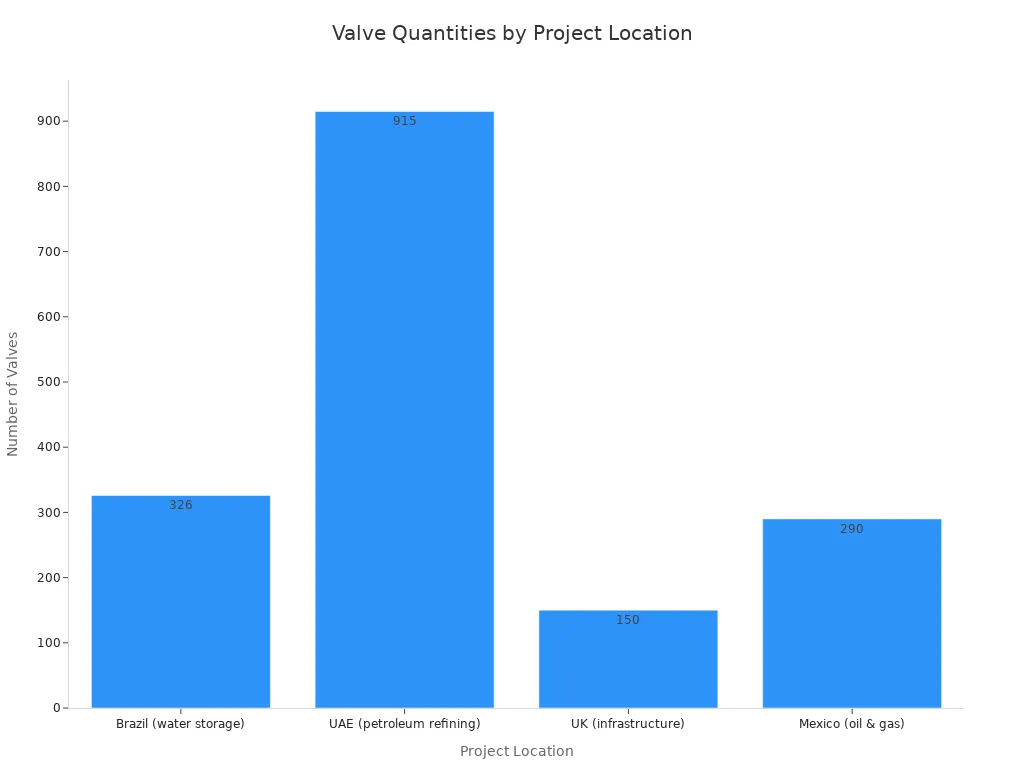
A table of past projects works the same way. A water storage site in Brazil ran 326 gate, butterfly, and check valves for eight years with stable operation and low noise. A petroleum refinery in the UAE used 915 valves in Classes 150–1500 for up to ten years. A UK infrastructure project logged 150 valves over a decade. A Mexican oil-and-gas site installed 290 valves with zero leakage over eight years. These records prove endurance, not just delivery. Buyers should ask for documented proof, like EN 10204 3.1 material certificates, with every order.
When a Control Valve Supplier Works
A control valve supplier works well for standard, low-volume replacements. If the process is not harsh, the valve type is common, and downtime is a big concern, a supplier can ship from stock fast. A supplier can also show several brands at once, so a buyer can compare options before choosing.
A qualified supplier can handle a routine replacement well. The buyer must check certifications, warranty, delivery times, and spare parts. The buyer should ask for client references and review the supply chain. For a low-risk standard valve, supplier speed and convenience matter more than deep factory engineering. For a critical or custom job, the manufacturer is still the safer choice.
The rule is simple: use a manufacturer for custom or critical control valve needs, and use a qualified supplier only for standard replacements. The choice balances speed against accountability.
Manufacturers are better at quality control, direct accountability, customization, and long-term value. A control valve supplier is better at speed and brand variety for standard items. Buyers should check the production footprint, certifications, and field records before they commit to any source. A real factory shows its plant, its papers, and its past projects. That proof tells a maker apart from a reseller. The rule stays simple. Choose a manufacturer for custom or critical control valve needs. Choose a qualified control valve supplier only for standard, low-volume replacements. This single test protects uptime, budget, and process safety across the full service life of the valve.
FAQ
How does a control valve manufacturer differ from a supplier?
A manufacturer owns the factory and runs design, machining, assembly, and testing. A supplier resells valves that other companies make. The manufacturer is directly responsible for quality and performance. The supplier adds shipping and stock access but has no control over production.
Can a supplier match a manufacturer on custom trim and materials?
No. Custom trim profiles, special alloys, and actuator matching need engineering control over production. TANGGONG builds control valves in sizes DN15 to DN600 and pressure classes Class 150 to Class 2500 with materials like carbon steel, stainless steel, alloy/duplex steel, Monel, and Stellite hardfaced trim/seats. A reseller cannot change these specifications at the source.
What proof should buyers request before choosing a source?
Buyers should ask for the plant address, a live tour, and output capacity. Certifications matter too. TANGGONG holds ISO 9001:2015, CE, and SGS credentials, plus more than 200 national patents. Field records across 35 or more countries confirm real installation history.
Does a manufacturer always cost more than a supplier?
Not over the full service life. A supplier adds reseller markup without adding production value. A manufacturer sells from the factory and controls testing to standards like ANSI/FCI 70-2 and API 598. Fewer defects and longer trim life cut maintenance and downtime costs.
When does a control valve supplier make sense?
A supplier works for standard, low-volume replacements where speed matters more than engineering depth. The process must be routine, the valve type common, and the risk low. For critical or custom service, a manufacturer remains the safer and more accountable choice.