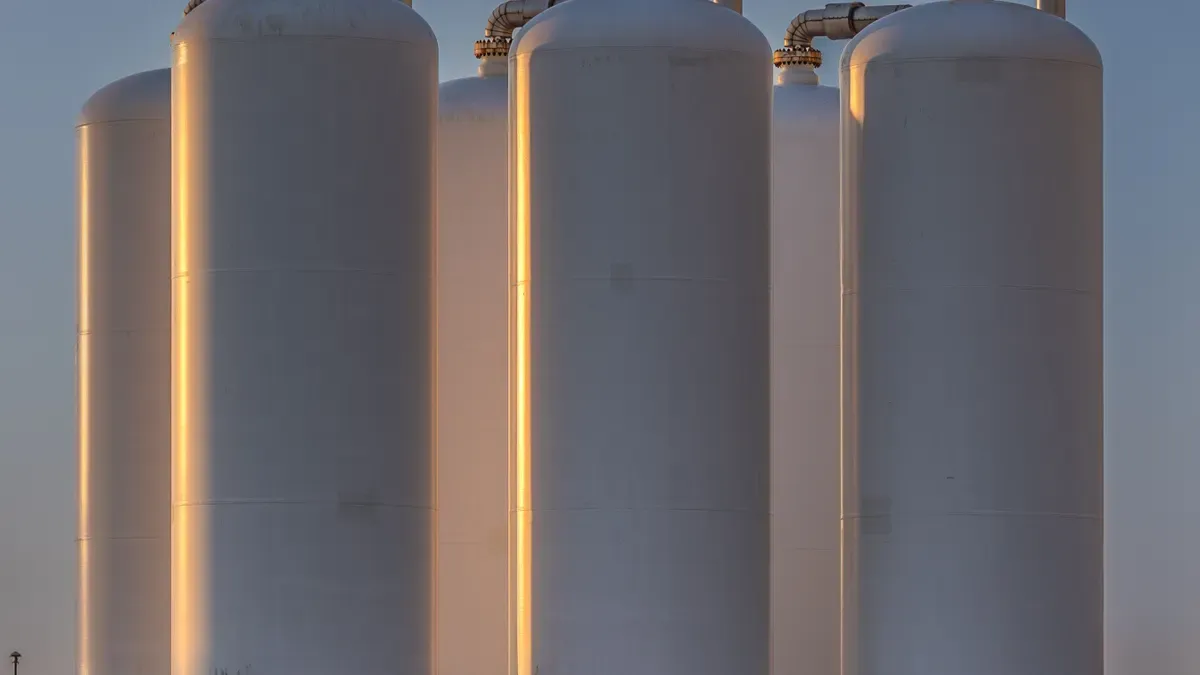
A cryogenic control valve is a specially made device for controlling flow. It controls liquefied gases at temperatures below -150°F (-101°C). This valve does two important jobs. It provides continuous throttling of flow and safe, tight shutoff. Industries depend on these valves for LNG, liquid nitrogen, liquid oxygen, and liquid hydrogen service.
Ordinary valves do not work in extreme cold temperatures. Standard materials become brittle and crack. Lubricants freeze and cause sticking. These problems make cryogenic control valves necessary for safe operations. Cryogenic valves need unique design solutions. They must work at very low temperatures without losing performance. Engineers design cryogenic control valves with special materials and extended bonnets. These features keep seals warm and stop ice from forming. Good design ensures reliable cryogenic control in demanding applications.
Key Takeaways
- Cryogenic control valves work with liquefied gases at very low temperatures, below -150°F.
- Special materials and longer bonnets keep these valves working safely in very cold temperatures.
- These valves give exact control of the flow and shut off tightly to stop leaks and accidents.
- Checking valves often—like looking them over each month and testing them every three months—keeps them working well.
- Pick certified valves and size them right to prevent cavitation and make them last longer.
What Is a Cryogenic Control Valve?
Definition and Purpose
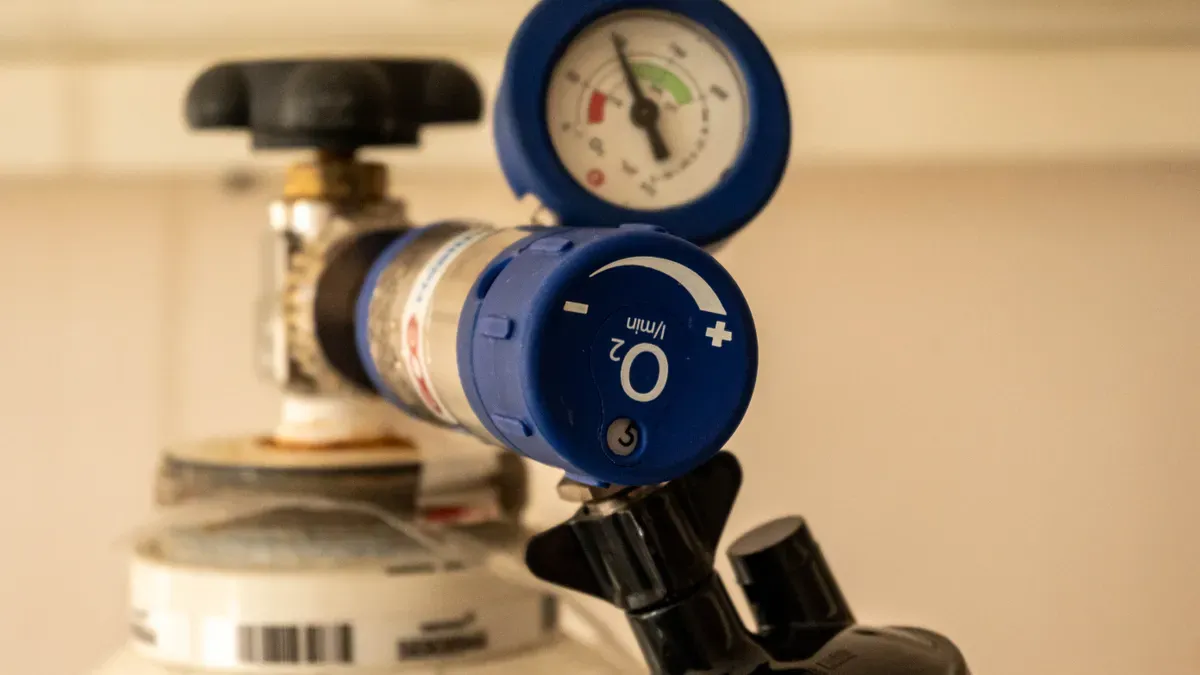
A cryogenic control valve is a powered final control device. It changes flow, pressure, temperature, or liquid level in systems that handle liquefied gases. These gases include LNG, liquid nitrogen, liquid oxygen, and liquid hydrogen. The valve changes the size of its internal passage when it gets a control signal. That keeps the desired process variable inside a narrow range.
These valves are not like on/off isolation valves. An isolation valve has only two positions: fully open or fully closed. A control valve offers steady throttling. It keeps adjusting to match changing process needs. This difference is very important for cryogenic service.
| Valve category | Primary function | Flow characteristics | Key limitations |
|---|---|---|---|
| On/off isolation valve | Tight shutoff and isolation | Straight path, low pressure drop when open | Cannot regulate flow; throttling hurts sealing surfaces |
| Cryogenic control valve | Precise flow control and strong sealing | Precise control, but winding path raises pressure drop | Uses more energy than gate or ball valves |
Precision-engineered cryogenic control valves play key jobs in many fields. LNG processing plants rely on them to manage flow accurately. Petrochemical plants use them in the low-temperature fractionation columns. Aerospace launch systems use them for rocket propellant loading. Industrial gas plants use them in cold boxes for liquid oxygen, nitrogen, and argon production.
High-Pressure, Cryogenic Control Valve Applications
High-pressure cryogenic control valve uses need very careful engineering. A 12-month aerospace engine testing program at an Integrated Engine Testing Facility used high-pressure cryogenic valves rated to 300 bar. These valves moved cryogenic and high-pressure flows to the test articles. They allowed hundreds of test runs, including hot-fire events. They kept ignition and chamber pressure steady during repeated thermal and pressure cycles.
Several industries rely on these valves for safe work:
- LNG Processing: Extended bonnet ball and globe valves in the storage tanks and truck loading racks at −162 °C provide safe emergency isolation.
- Petrochemical Plants: Extended bonnet gate and control valves in olefin plant low-temperature fractionation columns serve ethylene and propylene splitters.
- Aerospace Launch Systems: Extended bonnet valves in the ground support equipment transfer liquid hydrogen and liquid oxygen propellant.
- Industrial Gas Processing: Austenitic stainless steel valves in cold boxes can produce liquid oxygen, nitrogen, and argon.
Moving high-pressure cryogenic fluids needs valves that still stay strong under extreme conditions. Liquid oxygen service needs oxygen-clean parts rated to −297 °F. Liquid hydrogen uses ultra-low-temperature valves rated to −423 °F. These valves have stainless or specialty alloy bodies with extended bonnets to stop fugitive emissions.
High-pressure control valves for test stand service must give repeatable thermal cycling performance. Static fire test stands and engine test cells are severe-service places. Ground support equipment uses include propellant loading skids, GSE control panels, and umbilical systems for launch operations.
Cryogenic process control systems in these applications must prevent stem icing and mechanical seizure. Extended bonnet designs keep pneumatic operators outside insulated walls while they control cryogenic flow. This setup keeps operation reliable across the full range of temperatures in service.
Why Cryogenic Conditions Demand Specialized Control Valves
Standard industrial valves cannot handle cryogenic service. Ordinary carbon steel becomes brittle in very cold conditions. Grease thickens into a solid paste. These failures make engineers choose cryogenic control valves for liquefied-gas plants.
Material and Lubrication Challenges
Standard elastomers fail first. Every polymer has a glass transition temperature. NBR reaches this point near -40°C; FKM near -20°C. Polymer chains stop moving below that boundary. The material acts like glass and shatters during the first thermal cycle. Long-term loading causes compression set, so the seal cannot bounce back and the leak rate drifts out of specification. Thermal cycling makes micro-cracks wider because elastomers expand several times more than metal hardware.
Grease and oil freeze solid at very low temperatures. Frozen lubricant cannot protect the stem and instead works like an abrasive. PTFE solves this problem. This solid lubricant has no true glass transition and stays tough down to -196°C. It lubricates itself, so dry-running stems work without external grease. Manufacturers apply PTFE inside a resin matrix to bond it to metal surfaces.
| Challenge | Standard elastomer or lubricant behavior | PTFE solution |
|---|---|---|
| Material brittleness | Cracks below the glass transition point | Tough and flexible at cryogenic temperatures |
| Lubrication failure | Grease freezes and obstructs the packing | Self-lubricating, dry-running operation |
Seal Integrity and Pressure Relief
Sealing integrity depends on ductile bolting. ASTM A320 Grade L7 bolts are used in cryogenic valves. Their ductile-to-brittle transition point sits at -101°C. Impact testing is required at that point, with a minimum average of 20 J. This test confirms the bolting resists brittle fracture.
Pressure relief also needs careful design. Trapped liquefied gas can evaporate and expand inside the valve cavity. A relief hole on one side of the ball lets the pressurized medium escape into the pipe. This design stops overpressure inside these valves. The trade-off is clear: that side cannot form a tight seal, so the valve becomes unidirectional.
Manufacturers put these valves together without lubricants or with cold-compatible lubricants. Clean-room assembly stops contamination and keeps control valves working across the full operating range.
Key Components of a Cryogenic Control Valve
Extended Bonnet and Stem Sealing
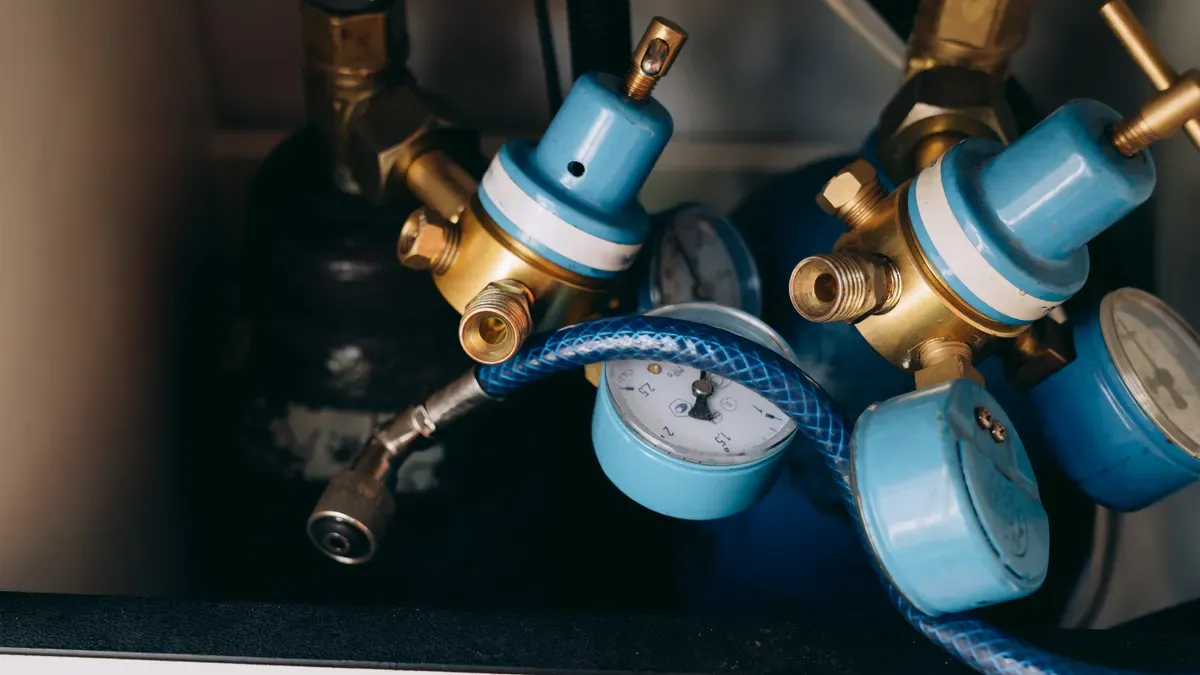
The extended bonnet is the most visible feature separating cryogenic control valves from standard ones. This long neck lifts the packing chamber away from the cold flow path. The design creates a thermal gradient from about -196°C at the bottom to near room temperature at the top. This gradient keeps the packing above 0°C, preferably above 8°C. Warm packing stays soft and seals tightly. Cold packing turns hard, loses its softness, and leaks.
The extended bonnet does several important jobs:
- It shields the stuffing box from cold damage and keeps the packing flexible.
- It cuts heat leaking into the cryogenic fluid, which reduces costly boil-off.
- It stops moisture in the air from freezing on the stem and making it seize.
- It lets workers service the valve through cold box walls without taking apart welded pipes.
- It keeps the actuator and handwheel at a safe room temperature for operators.
Industry standards like BS 6364 and MESC SPE 77/200 require extended bonnets with enough vapor space. For rising stem valves, vapor space is the gap from the bottom of the packing box to the top of the lower bonnet bush. Every bonnet also needs an insulation drip plate to stop condensation.
Cryogenic Trim and Body Materials
The choice of material decides if a valve can survive cryogenic service. Regular carbon steel is not guaranteed to have impact toughness, and it can get brittle below -20°F. Engineers use ASTM A352 LCB or LCC for low-temperature carbon steel bodies. These grades get Charpy impact testing at -46°C. Austenitic stainless steels like CF8 and CF8M stay ductile down to -196°C. CF3 and CF3M can handle even lower temperatures for LNG and liquid oxygen plants.
| Component | Material | Temperature Range |
|---|---|---|
| Body/Bonnet | LCB/LCC | -46°C to +300°C |
| Body/Bonnet | CF8/CF8M | -196°C to +300°C |
| Trim | SS304/SS316 | -196°C |
| Trim | Stellite 6 | Wear resistance |
Trim can be made of SS304, SS316, or Stellite 6. Stellite 6 resists wear very well during throttling. A typical cryogenic globe valve could have a CF8M body with an SS316 plug and stem. Together, these materials give strong structure and reliable sealing at extreme temperatures.
How Cryogenic Control Valves Work
Actuation and Stem Movement
An actuator powers every cryogenic control valve. It turns a control signal into exact stem movement. There are four main actuator types for these valves: pneumatic diaphragm, pneumatic piston, electric motor, and hydraulic. Each type has its own benefits for different plant conditions.
Pneumatic diaphragm actuators use compressed air to push a flexible membrane. The membrane links to the stem through a spring-loaded mechanism. A 4-20 mA signal tells the positioner how much air pressure to send. The stem moves up or down as pressure changes. These actuators give fast response and fail-safe operation. They work well in hazardous areas because they need no electricity at the valve.
Pneumatic piston actuators give higher force than diaphragm types. They handle larger valves and higher pressure drops. Electric motor actuators turn a motor to move the stem. They fit remote locations without air supply. Hydraulic actuators give the highest force for extreme service conditions.
Modern control valves accept digital signals beyond the standard 4-20 mA. HART, Modbus, and Profibus protocols let operators check valve position, find problems, and adjust settings from a control room. This digital communication improves cryogenic control across the plant.
Flow Modulation and Tight Shutoff
The trim inside a cryogenic control valve shapes how flow changes as the stem moves. Cage-guided trim uses a cylindrical cage with precision-machined ports. The plug slides inside this cage to open or close the flow path. This design guides the plug exactly and reduces vibration. The cage also gives anti-cavitation and low-noise operation. Cavitation damages valves in cryogenic service because vapor bubbles collapse with great force. The cage breaks large bubbles into smaller ones before they can cause harm.
Internal pressure-relief features protect these valves from damage. Trapped cryogenic liquid can evaporate and expand inside the valve cavity. A relief hole lets the pressurized medium escape into the pipe. This design stops overpressure and keeps the valve safe.
Tight shutoff matters greatly in cryogenic service. Leaking liquefied gas creates safety hazards and wastes expensive product. The ANSI/FCI 70-2 standard defines leakage classes for control valves.
| Leakage Class | Maximum Allowable Seat Leakage | Test Medium and Pressure | Typical Application |
|---|---|---|---|
| Class V | 0.0005 mL of water per minute, per inch of port diameter, per psi of pressure drop | Water at the exact maximum operating pressure differential | Critical high-pressure drop service |
| Class VI | Measured in bubbles per minute (e.g., 1 bubble/min for a 2-inch valve; up to 6 bubbles/min for an 8-inch valve) | Air or nitrogen at 50 psi (or max operating pressure, whichever is lower) | Hazardous gases, volatile hydrocarbons, low-temperature tight shut-off |
Class VI gives bubble-tight shut-off for hazardous gases and volatile hydrocarbons. This class fits low-temperature tight shut-off applications. Class V offers slightly less sealing but handles higher pressure drops. Engineers pick the class based on the fluid, safety needs, and operating conditions.
TANGGONG Control Valve Solutions for Cryogenic Service
TANGGONG Control Valve Features and Standards
TANGGONG VALVE makes cryogenic control valves at its Wenzhou facility in China. The company began in 1990 and now has more than 36 years of manufacturing experience. TANGGONG holds ISO 9001:2015, CE, and SGS certifications. The company also owns over 200 national patents. These credentials support reliable cryogenic control across global industries.
TANGGONG control valves work across a wide cryogenic temperature range from -196°C to +650°C. Pressure classes go from Class 150 to Class 2500. Body materials include WCB, WC6, CF8, CF8M, LCB, and LCC. Trim options cover SS304, SS316, and Stellite 6. Every actuator is fully calibrated before it leaves the factory. These features let operators match a valve to specific cryogenic service needs.
| Standard | Requirement | Applies to TANGGONG control valves? |
|---|---|---|
| API 598 | Hydro shell pressure tests with a 100% pass-rate goal | Yes |
| ANSI/FCI 70-2 | Seat-leakage tests using bubble or water-collection methods | Yes |
Safety and Maintenance Best Practices
TANGGONG puts cryogenic valves together in clean-room conditions. This practice removes moisture and particles that can cause ice blockages. Technicians check every unit under API 598 for shell pressure integrity. They also verify shutoff performance per ANSI/FCI 70-2. These steps confirm each valve meets its leakage class before shipment.
Routine maintenance keeps cryogenic control valves working safely. Operators should check the extended bonnet for frost buildup. They must inspect stem seals for wear after thermal cycling. TANGGONG offers free sizing consultations based on IEC 60534. Correct sizing prevents cavitation and extends trim life. A planned inspection schedule reduces downtime and protects plant safety.
A cryogenic control valve controls flow and shuts off tightly for liquefied gases below -150°F. These valves handle steady throttling in LNG, liquid nitrogen, liquid oxygen, and liquid hydrogen service. Special materials like LCB, CF8M, and Stellite 6 stay strong at very cold temperatures. Extended bonnets keep seals warm and stop ice from forming. Pressure-relief features prevent dangerous overpressure inside the valve cavity.
Operators should pick certified cryogenic control valves sized per IEC 60534. Regular maintenance keeps these valves working well. A monthly visual check spots rust, cracks, and leaks. Quarterly function tests make sure movement is smooth. Seal inspections catch hissing sounds that mean leakage. Lubricate moving parts when they look dry or feel stiff. Keep a maintenance log for each valve to track findings and predict failures.
| Inspection Task | Frequency | What to Check |
|---|---|---|
| Visual Check | Monthly | Rust, cracks, leaks |
| Function Test | Quarterly | Smooth valve movement |
| Seal Inspection | Quarterly | Hissing sounds, loose seals |
| Lubrication | As needed | Dry or stiff moving parts |
FAQ
What makes cryogenic valves different from standard control valves?
Cryogenic valves have extended bonnets and special materials. These parts keep seals warm and stop them from getting brittle in extreme cold. Standard control valves do not have these design features. They break when temperatures fall below -150°F. Cryogenic valves handle liquefied gases in a safe and reliable way.
Which materials work best for cryogenic service?
Engineers pick LCB, LCC, CF8, or CF8M for bodies. Trim choices include SS304, SS316, and Stellite 6. These materials stay flexible at temperatures down to -196°C. They resist wear during throttling. Picking the right material stops cracks and makes valve life longer.
How do operators size a cryogenic control valve?
Sizing follows IEC 60534 standards. Operators need fluid properties, flow rates, pressures, and allowable pressure drop. TANGGONG gives free sizing consultations. Correct sizing stops cavitation and trim damage. It also makes sure the valves keep stable process control.
What maintenance do cryogenic valves require?
Monthly visual checks spot rust, cracks, and leaks. Quarterly function tests confirm smooth stem movement. Seal inspections catch hissing sounds that mean leakage. Lubricate moving parts when they feel stiff. Keep a log for each valve to track findings and predict failures.
Why do cryogenic valves need pressure relief features?
Trapped liquefied gas can evaporate and expand inside the valve cavity. A relief hole lets pressurized medium escape into the pipe. This design stops overpressure and protects the valves from damage. Pressure relief keeps operations safe during thermal cycling.