An FEP lined valve is a metal valve with a protective fluoropolymer layer on every surface that touches the fluid. This design solves a common industrial problem. Corrosive or chemically aggressive fluids attack ordinary metal valves from the inside. The damage starts quietly and ends in leaks, repairs, and downtime. A protective lining puts a barrier between the fluid and the metal body. Readers who want the full picture will find it here. The lining, how the valve works, the benefits, and the places these valves are used all get explained in everyday language.
Key Takeaways
- FEP lined valves have a special plastic coating inside. This coating keeps corrosive fluids from touching the metal.
- A handle that turns a quarter of the way opens or closes the valve. The coated ball inside controls the flow.
- These valves stand up to chemicals and keep fluids clean. They save money because they last longer and need fewer repairs.
- Pick FEP for complex shapes and lower temperatures. Pick PTFE for the hottest fluids or the ones that cause the most damage.
- You will find these valves in chemical plants, water treatment, and marine industries. They safely handle acids, seawater, and chlorine.
What Is an FEP Lined Valve?
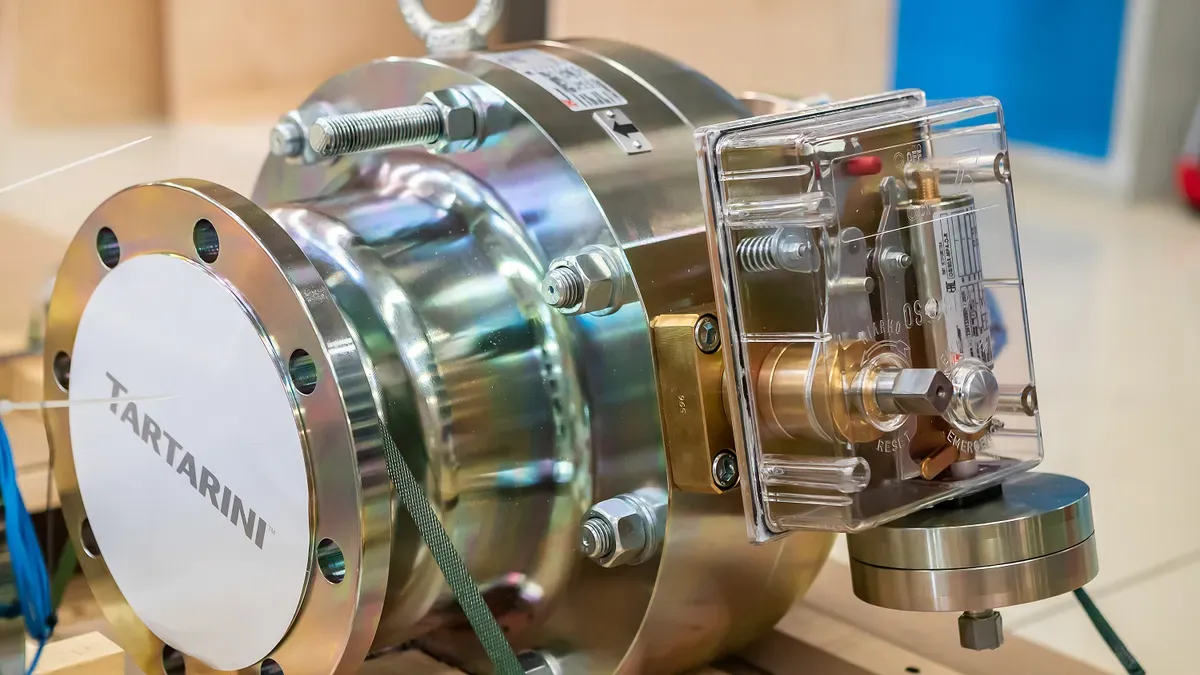
An FEP lined valve is a metal valve with a fluoropolymer inner layer bonded to every wetted surface. The lining material itself gives the valve its name. FEP stands for fluorinated ethylene propylene. This copolymer combines tetrafluoroethylene and hexafluoropropylene into one semi-crystalline polymer. The hexafluoropropylene content sits around 10 to 20 percent by weight. Bulky trifluoromethyl side groups from those units disrupt crystalline regularity. The resulting material carries a fully fluorinated carbon-fluorine backbone. That bond ranks among the strongest single bonds in organic chemistry, at roughly 485 kJ/mol. Such strength explains why the liner resists attack from aggressive fluids.
FEP Lining Explained
FEP melts and flows under heat, so manufacturers can extrude and mold it into complex shapes. This trait suits valve bodies with irregular internal geometry. Commercial grades differ mainly by molecular weight. Higher molecular weight trades workability for better stress-crack resistance. The table below summarizes key properties.
| Property | Typical Value |
|---|---|
| Melting point | 250–270°C |
| Crystallinity | 40–65% |
| Dielectric constant | 2.0–2.1 at 1 MHz |
| Service temperature | around 200°C |
The lining itself is a protective inner layer bonded to the valve’s wetted surfaces. It offers chemical resistance similar to PTFE. FEP is easier to fabricate into complex shapes, so it fits valve designs with intricate flow paths. PTFE lining remains the better fit for the most aggressive service and higher temperatures. Each material has its place.
FEP shares PTFE-like properties but is melt-processable, allowing extrusion and molding. It provides excellent chemical resistance, a service range up to about 200 °C (392 °F), low friction, and good electrical insulation.
How the Lining Protects the Body
The liner isolates the metal body from the fluid. A complete FEP lined ball valve directs process media through a protected path. The fluid never touches cast iron, carbon steel, or stainless steel. This separation blocks corrosion at the source. It also prevents contamination, which matters in high-purity processes. Metal ions cannot leach into the product stream.
A proper ptfe barrier works the same way in PTFE-lined designs. Both approaches create a physical shield. The liner must cover every wetted surface without gaps. Pinholes or cracks would let corrosive media reach the metal. Manufacturers therefore test lining integrity with high-voltage spark tests. A 100V DC spark test per ISO 19240 detects pinholes and porosity. Any spark at a specific location signals a failure at that point. Hydrostatic testing at elevated pressure confirms structural integrity. Liner thickness measurement, typically 3 to 10 mm, supports durability.
Corrosion control depends on liner quality. A sound liner delivers years of service in aggressive chemical environments. A damaged liner invites rapid corrosion and leaks. Buyers should confirm spark test results before accepting an FEP lined ball valve. The same discipline applies to any lined ball valve in corrosive duty.
An FEP lined ball valve also suits high-purity service. The smooth FEP surface sheds deposits and cleans easily. FEP also keeps its properties across a wide temperature band. A standard lined ball valve without the right lining may fail early in such duty. Matching the lining to the fluid pays off over the full service life.
How an FEP Lined Valve Works
Inside a Lined Ball Valve
A lined ball valve holds a ball with holes inside a body that is fully lined. The ball has an FEP coating or lining, and the body gets the same treatment on every surface that touches fluid. A two-piece full port lined ball valve design makes the valve stronger and cuts pressure loss. TANGGONG VALVE makes fluorine-lined valves and ball valves in this style, in sizes from 1″ to 6″. The table below shows the main construction details of a standard FEP lined ball valve.
| Component / Attribute | Construction Detail |
|---|---|
| Body Design | 2-piece construction, minimum cavity, full bore |
| Body & Ball Lining | Fully lined with PTFE / FEP / PFA / Teflon® |
| Ball & Stem | Ball with integral stem design |
| Ball Seat & Body Seal | PTFE virgin or 25% glass-filled Teflon (GFT) |
| Gland Packing | PTFE virgin or 25% glass-filled Teflon (GFT) |
| Size Range | 1″ to 6″ |
The body, stem, ball, seat and lining make one protected flow path. Lining thickness is 3 to 5 mm in typical builds. The liner keeps corrosive media away from the metal, so corrosion cannot start on the wetted surfaces.
The liner’s top temperature and pressure rating is lower than that of the metal body around it; applications that go past these limits (usually around 200°C or 400°F) may need an all-metal high-performance alloy valve.
Operation Step by Step
A quarter-turn drives every FEP lined ball valve. The steps below show the sequence.
- A quarter-turn handle or actuator turns the perforated, FEP-coated ball 90 degrees inside the lined body.
- The ball bore lines up with the pipe, and fluid flows freely through the channel.
- Turning the handle turns the ball so its solid side faces the flow, pressing against the seats to make a tight seal and stop flow completely.
- The FEP lining keeps metal parts away from the fluid throughout the rotation.
A V-port option adds fine control. Equal steps of rotation produce an equal percentage change in flow rate. Lined check valves work differently from this pattern. They work on their own in one direction only, with no handle or actuator. Each FEP lined ball valve in a system therefore needs its own operating decision, while a check valve responds to flow on its own. Buyers who compare FEP ball valves with other lined ball valves should confirm the actuation style first. The lined ball valve design also affects maintenance access. Two-piece bodies split for service without cutting the line. That feature matters in chemical plants where downtime is costly. A well-built FEP lined ball valve rewards this attention with steady, predictable control.
Key Benefits of FEP Lined Valves
An FEP lined valve gives you chemical resistance, purity, low friction, and a tight shut-off. Together, these traits lead to cost savings from a long service life. The table below shows where that durability comes from.
| Aspect | Evidence Supporting Corrosion Resistance and Long Life |
|---|---|
| Material property | FEP and PFA resist many corrosive media, so they work well as linings for ball, butterfly, plug, diaphragm, and gate valves. |
| Raw material quality | High-quality fluoroplastic raw materials, like NEOFLON from Daikin and Dyneon from 3M, help provide strong corrosion resistance. |
| Protective lining | Bodies and trims are lined with FEP or PFA to protect them from erosion by corrosive media. |
| Quality testing | Finished valves go through pressure and spark testing to confirm sealing and corrosion resistance. |
| Service life | The valves work safely and steadily with long life and low maintenance cost. |
Corrosion Resistance and Long Life
A fluoropolymer liner keeps the fluid away from the metal body. That barrier makes the valve a corrosion-resistant valve in acid, brine, and seawater duty. A good liner also protects purity, because metal ions cannot reach the product stream. Low friction keeps deposits from sticking, and PTFE valve seats help the ball press tight for a leak-proof seal.
The operating temperature and pressure range is about 180°C and 10 kg/cm² as a general guideline, not a guarantee. Users should confirm limits for their own fluid and cycle. A well-matched FEP lined ball valve then runs for years with little upkeep.
FEP vs. a PTFE Lined Ball Valve
Both materials resist chemicals well, so the choice comes down to fit. FEP is easier to form into complex shapes, which suits intricate flow paths. A PTFE lined ball valve or PTFE-lined ball valve remains the better fit for the most aggressive service and higher temperatures. Buyers pick FEP when these conditions apply:
- Easy heat sealing and optical clarity matter more than maximum temperature resistance.
- The operating temperature stays below the practical limit of FEP.
- Flexible chemical tubing or visual monitoring of the process fluid is required.
- Easier routing outweighs maximum temperature resistance.
FEP has a higher coefficient of dynamic friction than PTFE. Even so, FEP coatings remain favored in valve and pump linings, pipe liners, and release work. A PFA ball valve or PFA lined ball valves serve similar roles where a fully melt-processable liner helps. Each FEP lined ball valve, lined ball valve, and PTFE-lined ball valve has a place. A lined ball valve with PTFE lining and PTFE seats handles hotter duty, while FEP lined ball valves and FEP-lined ball valves win on complex geometry. Matching the liner to the fluid decides the outcome.
Where FEP Lined Valves Are Used
Common Industries
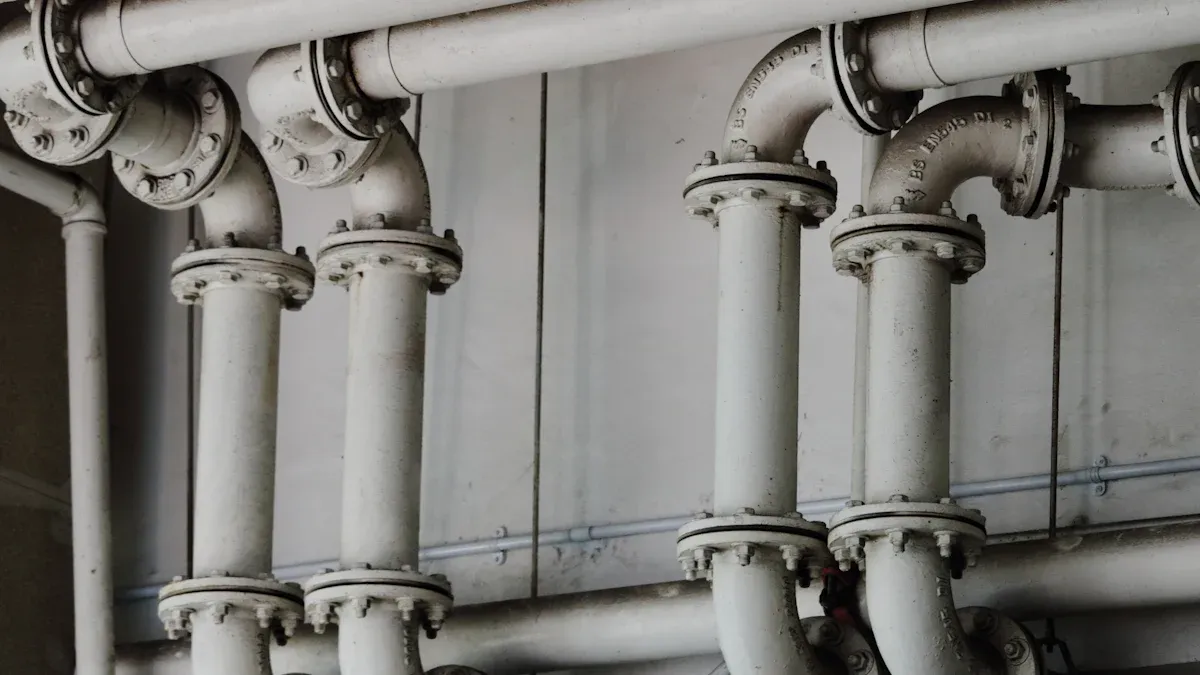
You will find these valves anywhere harsh fluids come into contact with metal pipes. Pulp and paper mills use them in their bleaching lines. Chemical plants depend on them for acids, alkalis, solvents, and chlorine. Water and wastewater treatment sites use them to handle seawater and chemical treatment solutions. Marine and offshore operations use them for seawater service. The table below shows the main industries and what each one uses them for.
| Industry | Typical Use of Lined Valves |
|---|---|
| Chemical Processing | Handling acids, alkalis, solvents, chlorine, and harsh chemicals that eat away metal valves |
| Pharmaceutical | Safe chemical transfer and clean processing; hygienic and sterile applications |
| Petrochemical | Safe handling of corrosive chemicals and dangerous fluids in refining operations |
| Water & Wastewater Treatment | Handling seawater, chemical treatment solutions, and corrosive process fluids |
| Fertilizer & Specialty Chemical | Reliable flow control in highly reactive and corrosive settings |
Other sectors include oil and gas, oil storage terminals, LPG storage depots, power plants, food processing, and sugar mills. TANGGONG VALVE serves oil and gas, petrochemical, power, marine, and metallurgy customers with lined valves and ball valves made to international standards. Any plant that handles corrosive media in these sectors can gain from a lined ball valve.
Typical Fluids and Conditions
Common fluids include acids, seawater, brine, and chlorine. Pulp and paper work brings its own needs. The table below lists typical process streams and the lining that works best for each one.
| Process Stream | pH Range | Temperature Range | Recommended Lining |
|---|---|---|---|
| Chlorine dioxide (ClO₂) | 2–4 | 50–70°C | FEP/PFA lined |
| Hydrogen peroxide (H₂O₂) | 3–5 | 50–80°C | FEP/PFA lined |
| Caustic soda (general FEP-lined service) | — | up to 100°C | FEP lined |
Fluoropolymer lined valves (including FEP) keep process fluids apart from the metal body. This gives durability, safe operation, and a longer service life, even under extreme temperatures and pressures.
The temperature and pressure range of an FEP lined ball valve stays below the limits of the metal body around it. Users should check the liner rating against their own process. A PTFE lined ball valve or a PTFE-lined ball valve works better for hotter duty, while PFA lined ball valves cover similar melt-processable roles. Each FEP lined ball valve, lined ball valve, and FEP lined ball valve in a system needs the right liner match. Corrosion control starts with that match. A well-chosen lined ball valve keeps corrosive media away from metal and extends service life. Plants that stock lined ball valves in several liner types can respond faster when fluids change. The right FEP lined ball valve choice protects both the process and the equipment.
An FEP lined valve is a metal valve with a fluoropolymer barrier on every wetted surface. That simple idea drives everything the article covered. The lining shields the body from attack, so corrosion never gets a foothold in the metal. The valve then works like any standard quarter-turn valve, with a protected flow path from end to end. This combination suits corrosive fluids and high-purity processes alike. One final nudge: match the lining material to the actual fluid and process conditions. List every process and cleaning chemical, along with its concentration, and state the full temperature and pressure range. That habit keeps an fep lined valve performing for years.
FAQ
What does FEP stand for in a lined valve?
FEP stands for fluorinated ethylene propylene. This fluoropolymer makes up the protective inner layer on every wetted surface of the valve. The material resists many harsh chemicals. A good fep lined ball valve uses this liner to keep process fluid away from the metal body.
How does a lined ball valve control flow?
A quarter-turn handle or actuator turns the ball 90 degrees inside the lined body. The bore lines up with the pipe to open the flow. Turning the ball so its solid side faces the flow stops it. Every fep lined ball valve follows this simple pattern.
What temperature and pressure can these valves handle?
The general guideline is about 180°C and 10 kg/cm². Users should treat this as a reference point, not a promise. Each fep lined ball valve needs a check against its own fluid and cycle. A lined ball valve works best within the liner’s rated limits.
When should someone choose FEP over PTFE?
FEP is easier to shape into complex forms, so it fits intricate flow paths. A ptfe lined ball valve is still the better fit for the most aggressive service and higher temperatures. Buyers pick the fep lined ball valve when shape matters more than top heat resistance. A ptfe-lined ball valve still wins on hot duty.
Where are these valves commonly installed?
Common industries include pulp and paper, chemical processing, water treatment, and marine. Typical fluids are acids, seawater, brine, and chlorine. TANGGONG VALVE serves oil and gas, petrochemical, power, marine, and metallurgy customers. A well-matched lined ball valve protects equipment in all these settings. The right fep lined ball valve choice helps the valve last longer.