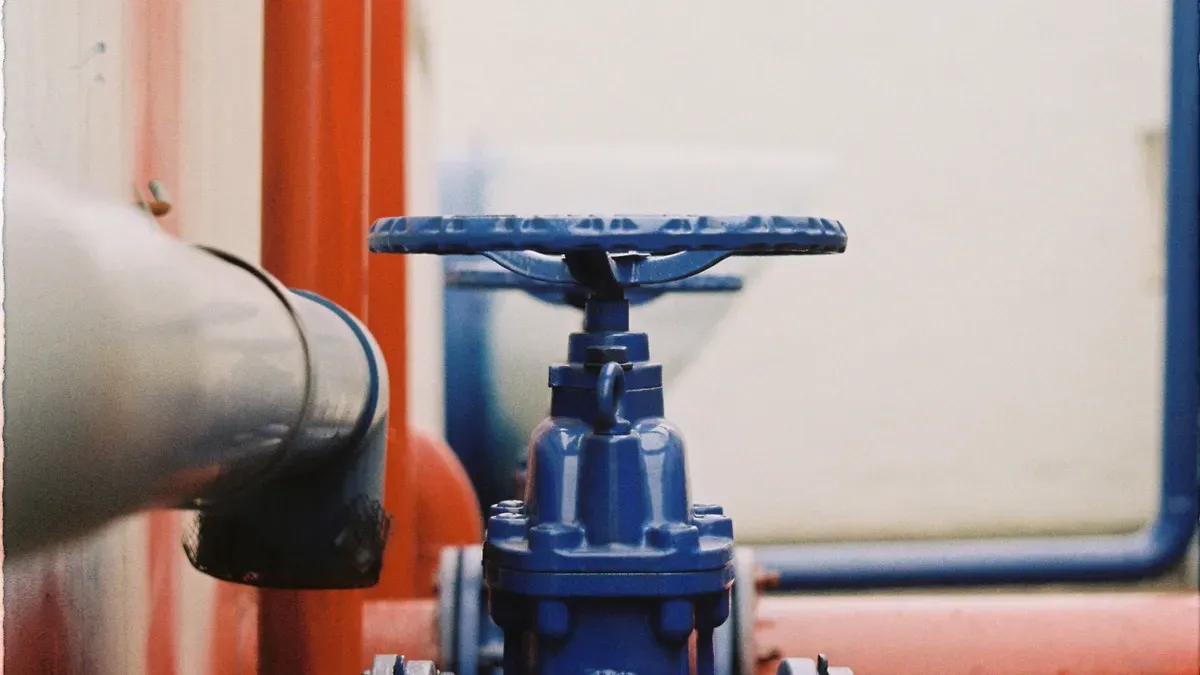
A lug knife gate valve is a knife gate valve with a sharp blade that cuts through thick fluids and solids. Threaded inserts in the lug body let you bolt the valve between flanges. This article explains the parts, the working principle, the advantages, and where you use these knife gate valves.
A knife gate valve handles slurries, fibers, and abrasive media that standard valves cannot. The gate travels straight down to cut material smoothly. When open, the gate retracts for full flow. You get dead-end service capability with the lug design. Operators choose manual, pneumatic, electric, or hydraulic actuation.
Key Takeaways
- A lug knife gate valve has a sharp blade that cuts through thick liquids and solids.
- The lug body has threaded inserts that let you bolt it right between pipe flanges.
- Dead-end service lets you shut off one part of a pipeline without draining the whole system.
- A fully open bore lets flow stay smooth and clear, and it stops clogging.
- Checking the seat and gate often helps the valve last longer in harsh wastewater work.
What Is a Lug Knife Gate Valve

What Is a Knife Gate Valve
What is a knife gate valve? It is an industrial valve for thick, solids-laden fluids. A knife gate is a thin, flat blade with a sharpened bottom edge. The blade slices through slurry as it closes. A conventional gate valve uses a thick, wedge-shaped gate. That wedge can trap solids in a bottom pocket and jam. The knife gate has no bottom pocket. It moves past the seat and pushes solids out of the bottom port. This self-cleaning action keeps the valve reliable in tough service. The sharp edge cuts fibers cleanly. This prevents tearing and clogging.
MSS SP-81 defines the design.
| Construction Feature | Knife Gate Valve | Conventional Gate Valve |
|---|---|---|
| Gate shape | Thin, flat blade with beveled edge | Thick, wedge-shaped gate |
| Bottom pocket | None | V-shaped pocket where solids compact |
| Bonnet | Bonnetless, open top | Sealed, pressurized bonnet |
| Pressure rating | 150 PSI for NPS 2–24; 100 PSI for NPS 30–36 | 285 PSI for Class 150 carbon steel |
The body is extremely thin, so it cannot handle massive internal pressure without bending. That is why MSS SP-81 caps Cold Working Pressure by size. Cold Working Pressure is the maximum pressure allowed at ambient temperature. The limit is 150 PSI for NPS 2–24 and 100 PSI for NPS 30–36. Bodies are cast or fabricated stainless steel, such as CF8 or CF8M. Knife gate valves range from NPS 2 to NPS 36. The face-to-face dimension is standardized and short. You save pipe spacing.
Lug Body Design and Key Parts
A lug knife gate valve uses threaded inserts on both sides. You bolt the valve directly to ASME Class 150 flanges. A wafer-style body is different. Long bolts sandwich it between two flanges. This body lets you remove the valve without spreading the pipe flanges. It also permits dead-end service. You can isolate one pipeline section and work on it without draining the whole system. Threaded inserts accept studs or cap screws. This makes installation faster.
The bonnetless design keeps the top open. The gate rises into the atmosphere through a packing gland. This leaves no enclosed pocket where solids can pack. You can inspect the gate from above and see its position at a glance.
The main parts of a knife gate valve include:
- Bore: the internal flow passage through the valve.
- Spindle: the rod that moves the knife gate; on a manual valve it is a rising screw.
- Elastomer seat: this creates a bubble-tight seal, meaning no air or liquid escapes around the closed gate.
- Packing gland: seals the area where the knife gate enters the atmosphere.
These parts of a knife gate valve work together. The rising screw moves the gate up or down. In the open position, the knife gate retracts fully. The bore stays unobstructed when open. Lug-type knife gate valves also permit easier maintenance. You can access the seat and gate without removing the valve from the pipeline. During inspection, check the elastomer seat for cuts and wear. Also look at the gate edge for dullness or damage. This saves time during inspections.
How Does a Lug Knife Gate Valve Work
How Does a Knife Gate Valve Work
You turn the handwheel or send a signal to the actuator. The knife gate moves straight down through the media. Its sharp blade cuts through solids, slurries, and fibrous material. The gate does not spin or swing. It moves in a straight line. This motion gives the knife gate its cutting power. The beveled edge slices through pulp, ash, or caked deposits. The body has no space where solids can build up. As the blade closes, it pushes material ahead of it and clears the port. This self-cleaning action stops jams in rough flows.
When you open the valve, the gate pulls back into the open top. The bore lines up with the pipe. You get a full, clear flow path with no dead spots. Solids cannot settle or pile up. This design lowers pressure drop and stops clogging. The working idea of knife gate valves relies on this straight-through bore. The valve works fully open or fully closed. It is not a valve for controlling flow.
When you close the valve, the gate edge touches the elastomer seat. The seat presses against the gate. This gives tight isolation even when suspended materials stay in the media. The elastomer seat, such as EPDM, Buna-N, or Viton, creates a drip-tight shutoff. You pick the seat material based on chemical compatibility and abrasiveness. The sharp edge cuts through deposits before the seal engages. This two-step action lets the knife gate valve cut through heavy liquid clogging and still seal.
Actuation and Position Indication
You can run a lug knife gate valve in several ways. Each choice fits different plant conditions.
- Manual handwheel: You turn the wheel by hand. A rising screw moves the gate up or down. This choice works well for infrequent operation.
- Pneumatic cylinder: Compressed air drives the gate. You get fast cycling for automated processes.
- Electric actuator: A motor moves the gate. You can connect it to a control system for remote operation.
- Hydraulic actuator: Hydraulic fluid gives high force. This choice handles large valves and high-pressure slurry media.
The gate stem shows the valve position. You can see right away whether the knife gate is open or closed. Some actuators have limit switches for remote indication. Remember that standard knife gate valves are not usually made for a bi-directional, bubble-tight seal. They give reliable isolation in one direction. If you need zero-leakage sealing both ways, you should talk about your application with the manufacturer. The working idea of knife gate valves focuses on cutting and isolation, not on bidirectional sealing. This difference matters when you pick a valve for your system.
Why Choose Lug Knife Gate Valves
Advantages Over Other Knife Gate Valves
A lug knife gate valve has a light body and a short face-to-face length. This saves pipe spacing and support costs. The valve does not cost much and is simple to take care of. You can reach the seat and gate without taking the valve off the line. These are the main benefits of knife gate valves in tight plant layouts.
The lug design makes mounting and taking off much easier than a wafer-style knife gate valve. You bolt the valve right to the flanges through threaded lugs. You do not need long bolts that go through the whole body. This saves time during installation and service. You also get dead-end service ability. You can shut off one pipeline section without turning off the whole system. That matters for on-off and isolation work in busy plants.
Common Applications and Industries
You find knife gate valves in many tough services. Wastewater treatment is the most common use around the world, driven by rising environmental rules. Mining is the largest use area for slurry knife gate valves. Chemical processing is a real but not main area. These valves handle abrasive, corrosive, and thick media with ease.
A special knife gate valve works well in wastewater treatment plants. It handles sludge, grit, and other flows full of solids. You also see these valves in pulp and paper, power generation, and slurry handling. They cut through slurry media, powder, or granules without jamming. The benefits of a knife gate valve show best in corrosive and abrasive conditions.
TANGGONG VALVE is a trusted supplier of industrial knife gate valves. TANGGONG VALVE supports your wastewater applications and mining projects. You can match the right valve to your isolation or on/off service needs.
Installation and Maintenance Tips
Mounting Between Flanges
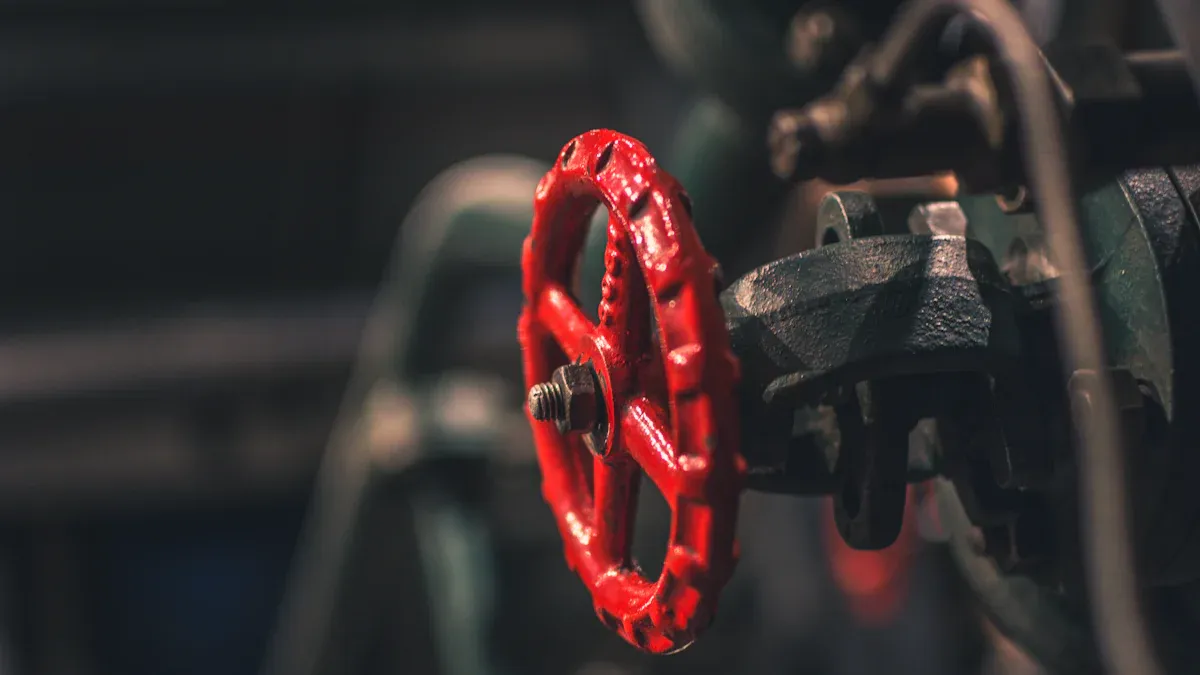
You screw bolts right into the lugs on both sides of the valve body. This makes a strong connection that you can take apart later without cutting the pipeline. The threaded inserts hold studs or cap screws. You do not need long bolts that go through the whole valve body. This saves time and hardware costs when you install it.
Follow the right tightening order to protect the valve and flanges. First, hand-tighten all bolts to hold the valve in place. Then use a cross-over pattern to tighten them little by little.
- Put bolts through the flanges and hand-tighten them to hold the valve in place.
- Using a cross-over tightening pattern, slowly tighten the bolts to the torque specs the manufacturer recommends.
- This gives even pressure and stops the flange from warping.
- Do not over-tighten the bolts, because too much torque can damage the valve body or bend the flanges, which causes leaks.
Bolt tightening must follow a star pattern and a step-by-step torque sequence: 30% → 60% → 100% of the final spec, using calibrated tools. This gives even gasket loading and keeps the joint strong over time.
Use a calibrated torque wrench for every pass. Guessing torque by feel is not okay. For large bolts that need high torque, use hydraulic torque wrenches or bolt tensioners.
Inspection and Service Basics
Routine checks keep your knife gate valve working well in tough service. A good knife gate valve maintenance guide starts with the elastomer seat. Check this seat every 6 to 12 months when the valve cycles a lot. Regular inspection helps you find seat wear in abrasive slurry service. Look for cuts, tears, or hardening on the seat surface.
Check the gate edge as part of your preventive maintenance. Small burrs on the knife gate edge can damage elastomer seats. A dull edge cannot cut through solids cleanly. Check the spindle for bending or thread damage. These parts of a knife gate valve work together, so one worn part affects the others.
| Component | Maintenance recommendation | Supporting note |
|---|---|---|
| Elastomer seat | Inspect every 6–12 months when the valve cycles frequently. | Regular inspection helps detect seat wear in abrasive slurry service. |
| Gate edge | Track and check the gate edge condition as part of preventive maintenance. | No separate interval is given in the source, but minor burrs on the gate edge can damage elastomer seats. |
Keep a simple log of each inspection. Write down the date, the condition of each part, and any repairs you make. This record helps you spot wear trends. You can then plan replacements before a failure stops your process. A knife gate valve that gets regular attention lasts much longer in slurry and wastewater service.
A lug knife gate valve joins a sharp knife gate and a lug body. With threaded inserts, you can bolt it between flanges. This isolation valve cuts through thick fluids and solids.
Dead-end service and easy mounting are two benefits of a knife gate valve. It handles slurries, fibers, and abrasive media. Pick the right knife gate style, actuation, and materials for your application. These knife gate valves work reliably.
Regular care helps your knife gate last for years. Check the seat and gate edge often. A well-kept knife gate valve lasts long.
FAQ
What makes a lug knife gate valve different from a wafer-style valve?
A lug body has threaded inserts on both sides. You bolt the valve directly to the flanges. A wafer body uses long bolts that pass through the whole valve. The lug design lets you remove the valve without spreading the pipe. You also get dead-end service capability for isolating one pipeline section.
When should you pick a knife gate valve vs gate valve?
Pick a knife gate valve for slurries, fibers, and abrasive media. The thin blade cuts through solids and clears the port as it closes. A conventional gate valve uses a thick wedge that traps material in a bottom pocket. That pocket causes jams. Choose the standard gate valve for clean fluids instead.
Can you use knife gate valves for flow control?
No. Knife gate valves work fully open or fully closed. They are isolation valves, not control valves. Throttling a knife gate partway open erodes the seat and damages the gate edge. If you need flow regulation, use a globe valve or a control valve in your line.
What seat materials work best in wastewater service?
EPDM, Buna-N, and Viton are common elastomer seats. Match the seat to your chemical compatibility and abrasiveness. EPDM handles water and mild chemicals well. Buna-N resists oils. Viton stands up to higher temperatures and aggressive media. Check your media before you choose.
How often should you inspect a knife gate valve?
Inspect the elastomer seat every 6 to 12 months when the valve cycles often. Check the gate edge for burrs and the spindle for bending. Keep a log of each inspection. This record helps you spot wear trends and plan replacements before a failure stops your process.